
Orthodontics in Gangnam, Seoul:
a 22-year orthodontic specialist from start to finish
At Blanche Dental near Nonhyeon Station, orthodontic specialist Dr. Juhee Baek personally consults, places your appliance and checks the finish. We don't start by picking an appliance; a detailed exam comes first to find the method that fits your teeth.
- Treated personally by Dr. Juhee Baek, 22-year orthodontic specialist
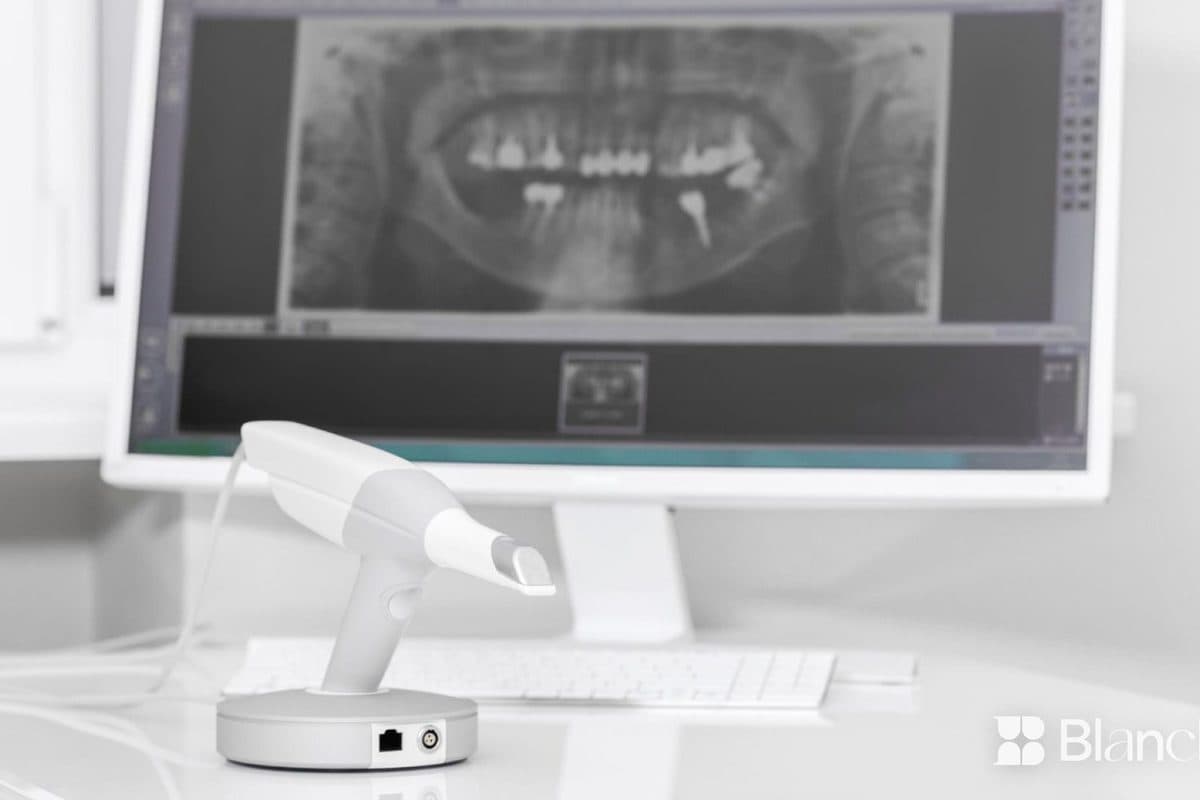
- iTero digital scanning
- Clear, ceramic, lingual and partial braces
- 30-second walk from Nonhyeon Station Exit 4
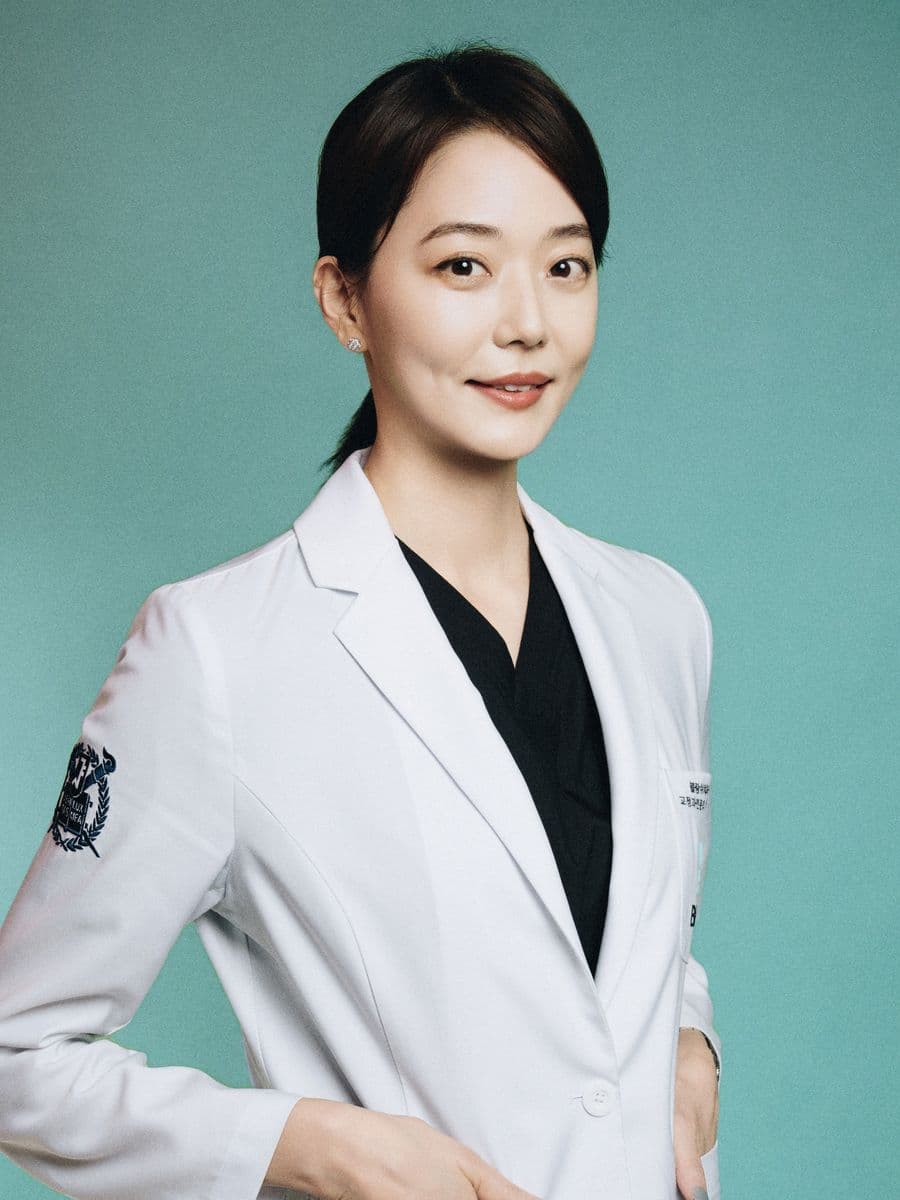
Treated personally by Dr. Juhee Baek,
who has practiced only orthodontics for 22 years
Orthodontics is not just moving a few teeth. It has to be planned by looking at the relationship between the upper and lower jaws, the bite, the thickness of the gums and bone supporting the teeth, and even the profile of your mouth from the side. An orthodontic specialist is a dentist who completed separate orthodontic residency training after dental school; they make up about 5% of dentists in Korea.
"With know-how built up over countless orthodontic cases, I will treat you with care and comfort." — Dr. Juhee Baek
- Valedictorian, Kyung Hee University College of Dentistry
- Orthodontics residency, Kyung Hee University Dental Hospital
- Master of Dental Science in Orthodontics, Kyung Hee University Graduate School of Dentistry
- Specialist and certified member, Korean Association of Orthodontists
- 10,000+ orthodontic cases treated over 22 years
- Presented an outstanding non-extraction orthodontic case at Osaka Dental University, Japan
- 22 years
In orthodontic practice
She has practiced orthodontics for 22 years since completing her orthodontic training.
- 10,000+
Orthodontic cases
The number of orthodontic cases she has personally treated over 22 years.
- About 5%
Orthodontic specialists
Orthodontic specialists make up about 5% of dentists in Korea.
- In person
Consultation · placement · finishing
The consultation, appliance placement and final check are done by the doctor herself.
Blanche orthodontic appliances at a glance
From clear aligners to tooth-colored brackets, inside (lingual) appliances and partial braces, we choose according to your teeth and lifestyle.
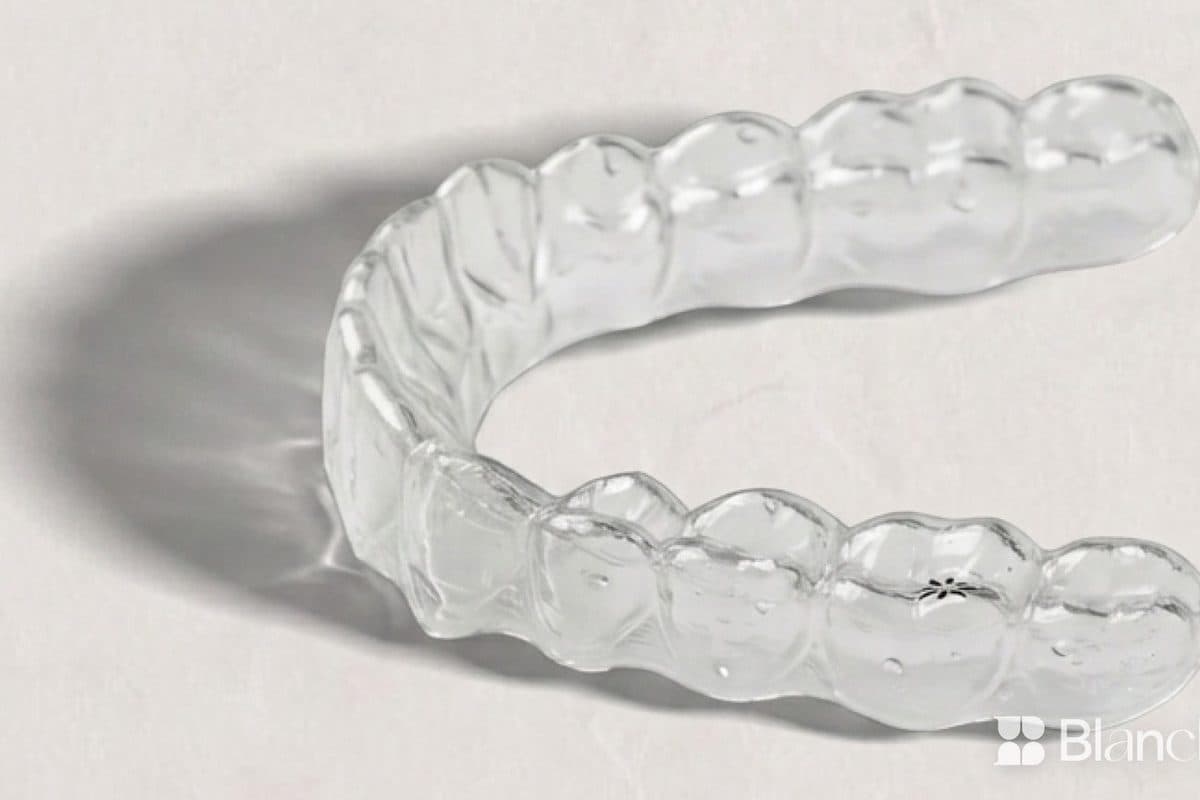
Clear aligners · Invisalign, Angel Aligner · sample image 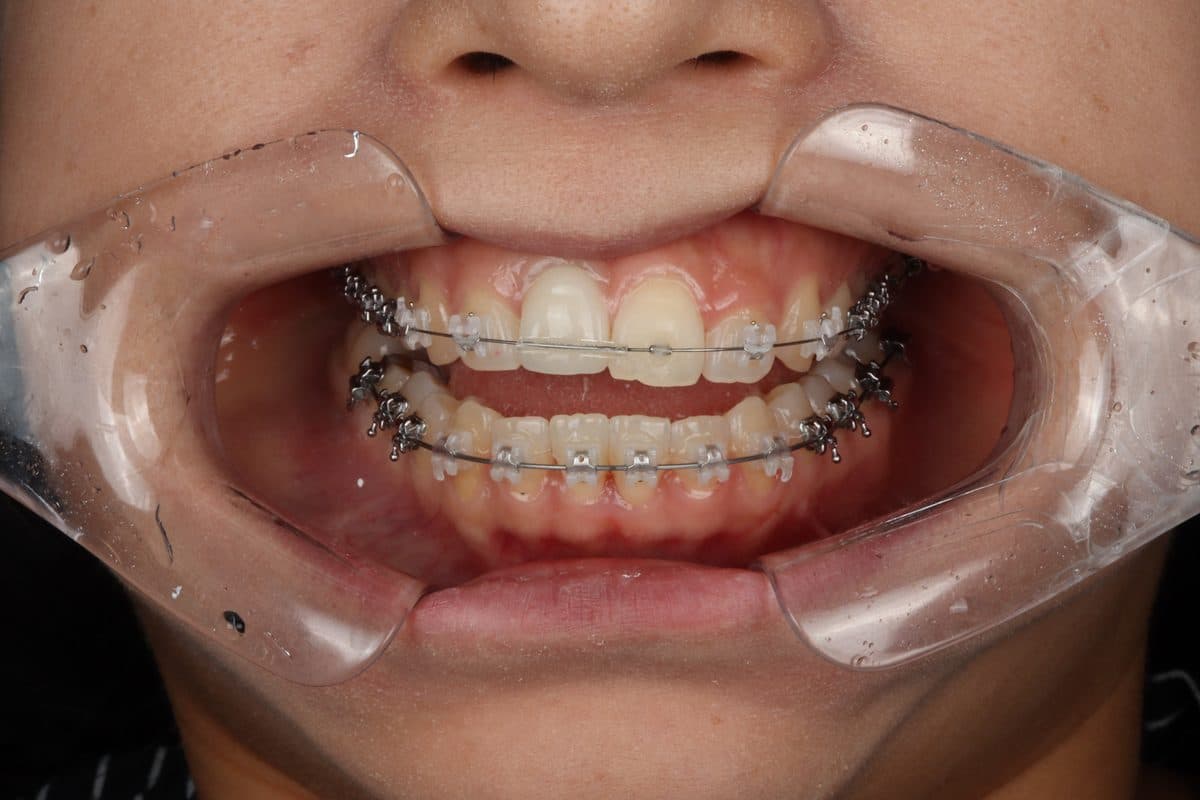
Tooth-colored brackets · Clippy-C 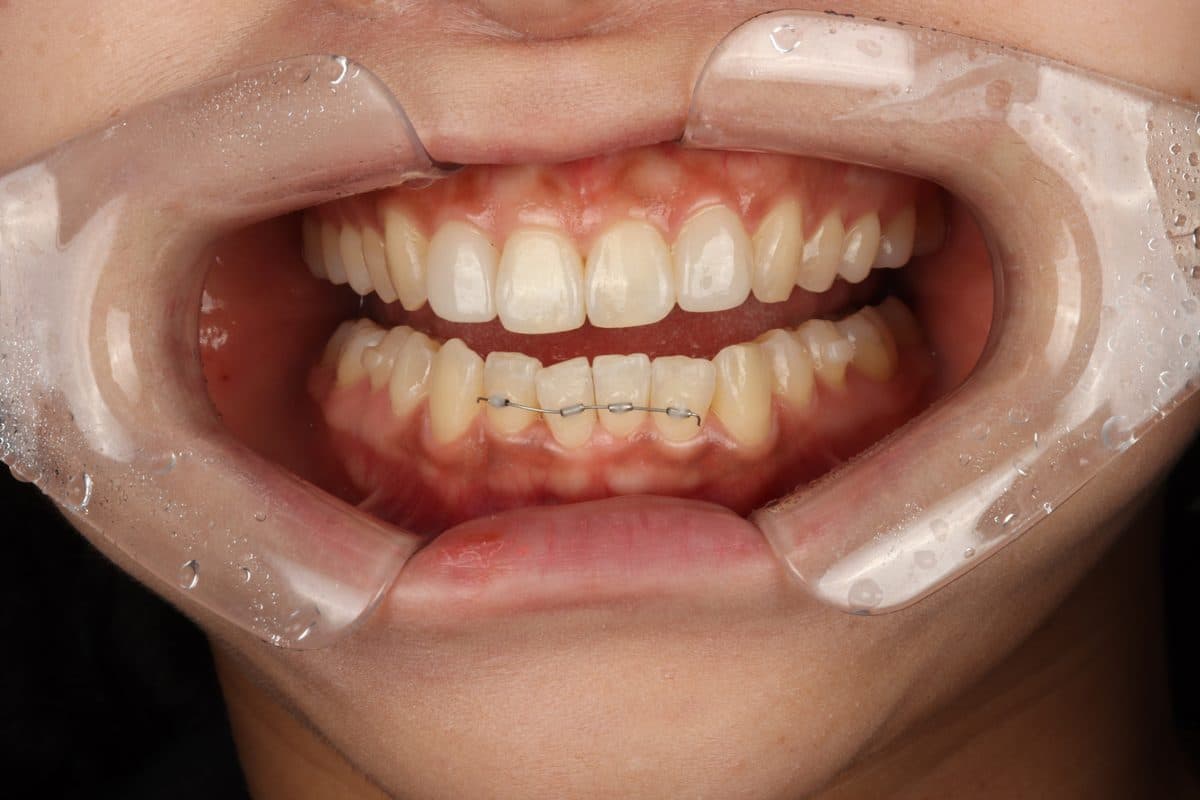
Partial orthodontics · MTA
Includes actual Blanche Dental photos (published with consent) and sample images.
Do you need orthodontics?
Check these 7 types of malocclusion
When teeth come in unevenly or the upper and lower teeth don't meet properly, it is called malocclusion. If even one applies to you, start by finding the cause at an orthodontic consultation.
Even with the same crowded tooth, the approach differs depending on whether the cause is tooth position or jaw size. That is why we don't choose an appliance from a single photo.
- Crowding / snaggletooth — there isn't enough room, so canines or other teeth are pushed outward
- Protrusion — the front teeth tilt forward, the mouth looks protruded and closing the lips takes effort
- Deep bite — the upper teeth cover the lower teeth so deeply that the lower teeth are barely visible
- Underbite — the lower teeth bite in front of the upper teeth
- Open bite — the back teeth touch, but the front teeth don't meet and leave a gap
- Crossbite — some teeth bite reversed or offset sideways
- Gaps between front teeth — spaces between the front teeth stand out when you smile
Find the orthodontics that fits your situation
What needs to be checked first depends on your concern. Start with the one closest to yours.
- Less noticeable
Invisalign Clear Aligners
You can put the clear aligners in and take them out yourself, which makes eating and brushing easier. We scan with the iTero digital scanner instead of taking impressions, and preview the result with a 3D simulation.
Learn more → - Another clear aligner
Angel Aligner
A removable clear aligner; Angel Aligner is also scanned with the iTero digital scanner. We have laid out only the factual differences from Invisalign and how to choose between them.
Learn more → - Partial braces
MTA Braces
A partial orthodontic method considered for refining the alignment of some teeth, such as the front teeth. We first check whether full orthodontics is needed, and the doctor decides which appliance fits after diagnosis.
Learn more → - When only the front teeth bother you
Partial Orthodontics
A method that moves only the teeth that need it. Partial braces for the front teeth are often placed on the inside (lingual) of the teeth so they don't show, and clear aligners can also be used. It usually takes 3–6 months (varies by individual).
Learn more → - Appliance on the inside
2D Lingual Braces
A lingual method that places a thin appliance on the inside (tongue side) of the teeth, so it is barely visible from the outside. Mainly considered for partial orthodontics of the front teeth.
Learn more → - Ceramic self-ligating
Clippy-C Braces
A second-generation appliance with tooth-colored ceramic brackets and a sliding-door self-ligating mechanism. It is also used for extraction cases, and we recommend it for people who find it hard to put in and remove clear aligners.
Learn more → - Growing children
Orthodontics for Kids
The best time to start is usually around the 5th grade of elementary school (about age 10–11). We choose from Invisalign First, Preortho, Fränkel, palatal expanders with a face mask, space maintainers and MARPE (upper jaw expansion using mini-screws), depending on the child's growth stage and habits.
Learn more → - In your 30s, 40s and beyond
Adult Orthodontics
We plan around the condition of your gums and bone, the order relative to existing crowns or implants, and even how visible the appliance will be at work.
Learn more → - Before considering surgery
Non-Surgical Underbite & Asymmetry
If you have been advised to have double-jaw surgery or your jaw looks twisted to one side, an orthodontic specialist first diagnoses whether it is within the range that orthodontics can improve without surgery.
Learn more →
What to look at when choosing braces
Below are the generally known features of each appliance. Which appliances you can actually use depends on your exam results.
What needs deciding before the appliance name is "how far do the teeth need to move?" Even with the same front-teeth concern, some cases can be solved with partial orthodontics and others need full treatment. Among similar-looking options such as MTA vs. 2D lingual, or Angel Aligner vs. Invisalign, Dr. Juhee Baek decides what you need through diagnosis and consultation, and explains the pros and cons of every possible option.
The orthodontic process
with an orthodontic specialist
A dentist spends more than an hour on each orthodontic consultation. Before the appliance goes on, we explain until you fully understand why this method was chosen.
- 01
Consultation · detailed exam
We scan with the iTero digital scanner instead of taking impressions, and check teeth, jaws and gums with X-rays and photos.
- 02
Diagnosis · plan
We explain whether extraction is needed, how far teeth will move, and which appliances can be used.
- 03
Appliance placement
The dentist places the appliance personally and explains how to brush and eat with it.
- 04
Regular adjustments
You visit at set intervals so we can check that teeth are moving as planned and adjust the appliance.
- 05
Removal · finishing
After checking alignment and bite, the appliance is removed and final adjustments are made if needed.
- 06
Retainers
Retainers are used to resist the teeth's tendency to drift back, and are checked regularly.
The consultation, appliance placement and final check are done by Dr. Juhee Baek herself. Clear aligner treatment starts after previewing the result in a 3D simulation. Typical durations are 1 to 2.5 years for full orthodontics, 3–6 months for partial orthodontics and about 6 months for phase 1 treatment in children; the exact duration and visit interval are given after the detailed exam (varies by individual).
Orthodontic duration and care:
what to know in advance
Orthodontics is a treatment that lasts from months to years. You should start knowing the downsides you will need to accept as well as the improvements.
Duration varies with how far teeth move, whether extraction is needed, the appliance, gum and bone condition and care; the exact duration is given after the detailed exam.
What orthodontics can offer
- With evenly aligned teeth, brushing is easier and less food gets stuck
- When upper and lower teeth meet evenly, it helps reduce force concentrating on particular teeth
- The front-teeth alignment and mouth profile you show when smiling may change
- Aligning teeth first can mean less tooth reduction in later treatments such as veneers
Downsides and side effects to accept
- For a few days after the appliance is placed or adjusted, teeth may feel sore and uncomfortable
- Without enough brushing, gum inflammation and cavities can develop
- Rarely, root resorption (shortening of tooth roots) can occur
- If retainers are neglected, teeth can move again (relapse)
- Duration and results vary from person to person
- 01
Travel time is part of treatment
Orthodontics means a visit for every adjustment, so when choosing an orthodontic clinic in Gangnam, consider how easy it is to get there. Blanche is a 30-second walk from Nonhyeon Station Exit 4, between Nonhyeon and Sinnonhyeon stations.
- 02
Open after work, too
We are open until 9 p.m. on Tuesdays and Wednesdays, and from 10 a.m. to 2 p.m. on Saturdays. We are open on alternate Sundays.
- 03
Explained many times, decided slowly
We go over every explanation at least four times. Feel free to make the decision at home.
Small gaps left after orthodontics
can be refined with no-prep veneers
Even after orthodontics straightens the teeth, if the teeth themselves are small or unevenly shaped, small gaps or dark triangles near the gums (black triangles) can remain. In such cases, refining the shape with Blanche no-prep veneers can be considered.
When orthodontics comes first
- Teeth overlap or stick out
- Upper and lower teeth don't bite properly
- The position of the teeth itself is the concern
Veneers after orthodontics
- Small gaps remain after orthodontics
- Teeth are small or unevenly shaped
- Black triangles bother you
Veneers alone
- Alignment and bite are fine
- Only shape, color or small gaps are the concern
- See Front Teeth Veneers for details
When orthodontics and veneers are planned together at one clinic, it can be decided from the start how far teeth will be moved with orthodontics and where veneers will take over. Trying to cover severely misaligned teeth with veneers alone can require more tooth reduction, so in such cases we recommend orthodontics first.
Blanche orthodontics: real cases
Drag the photo left and right to compare before & after.
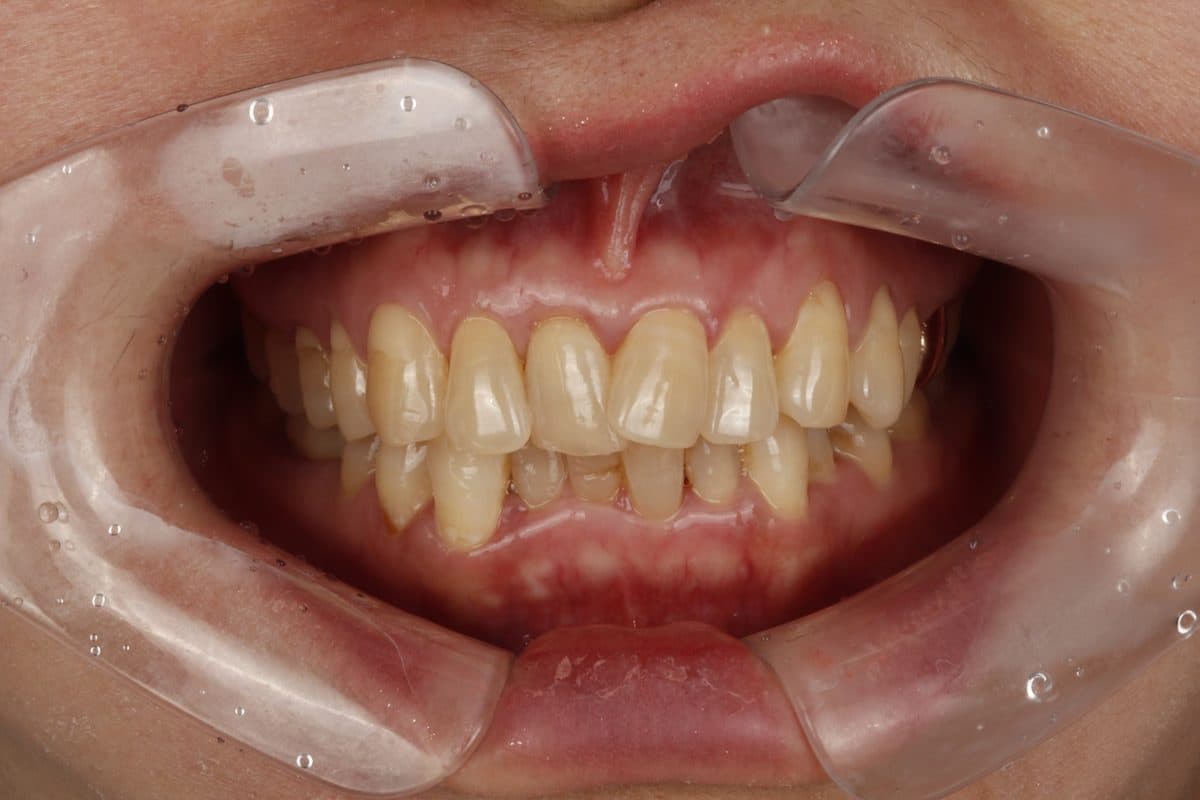
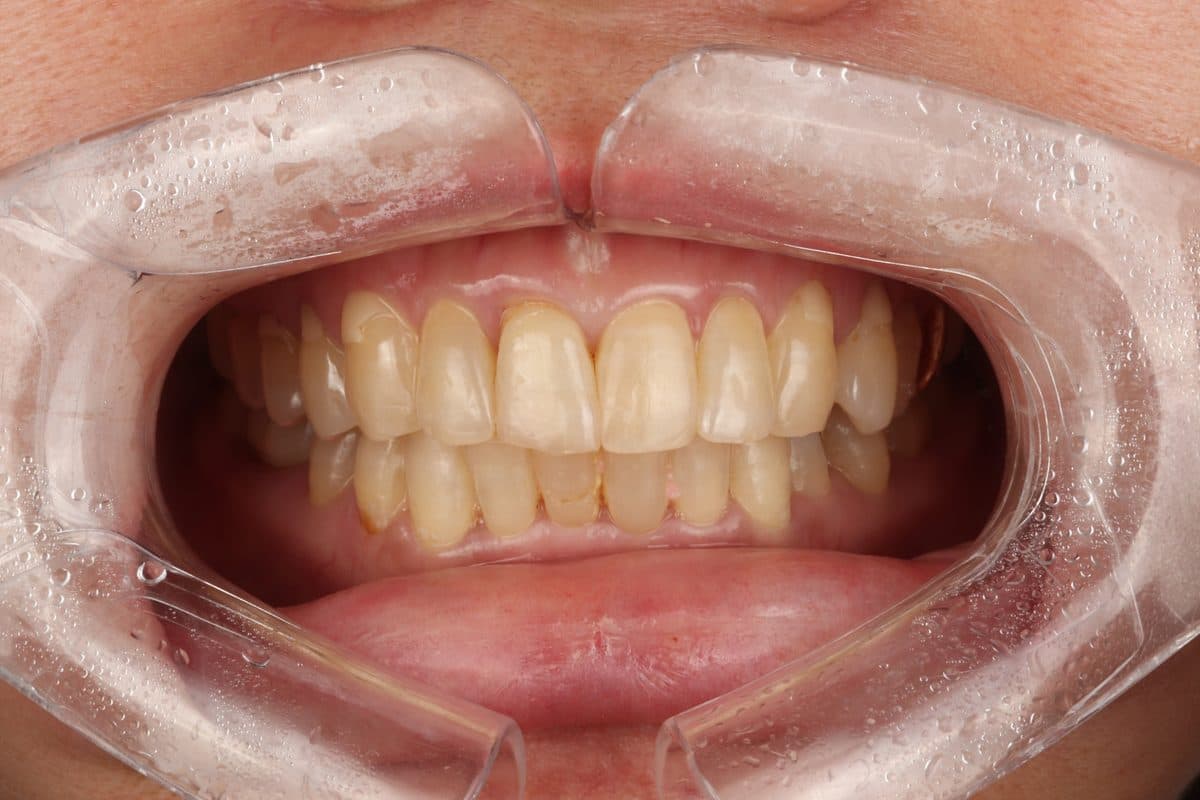
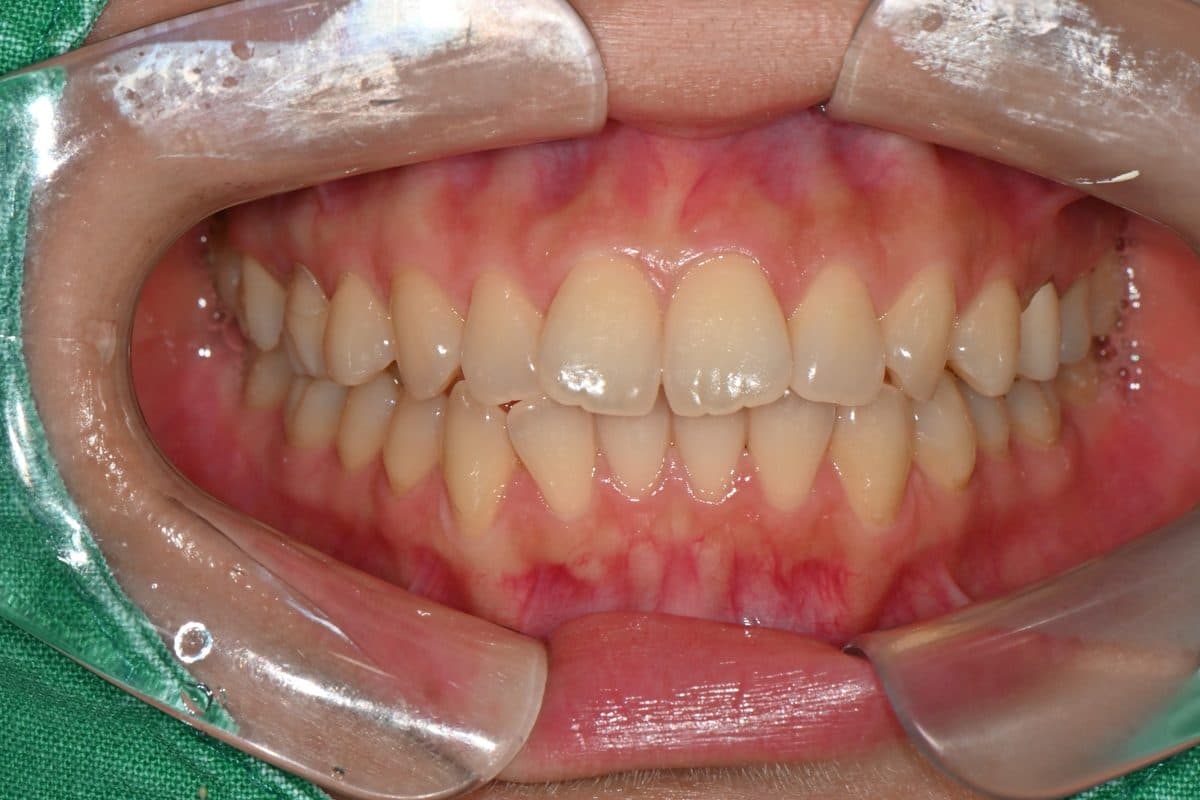
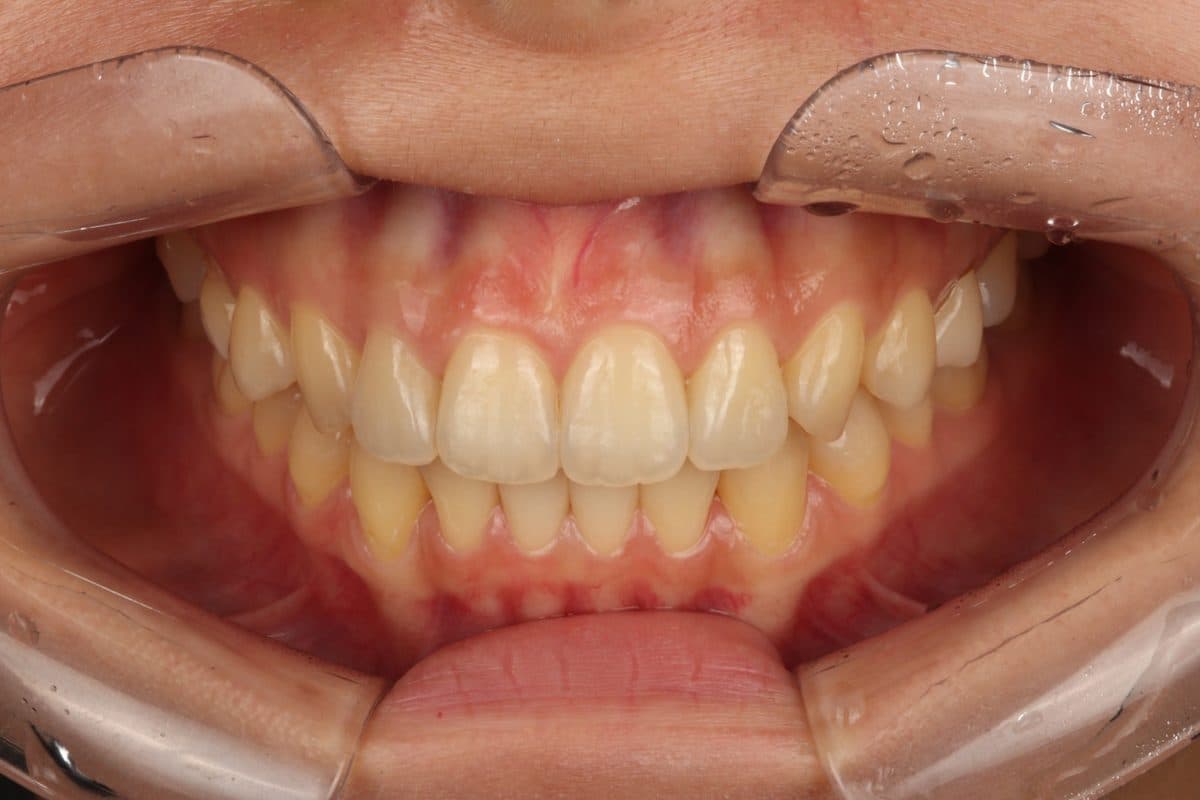
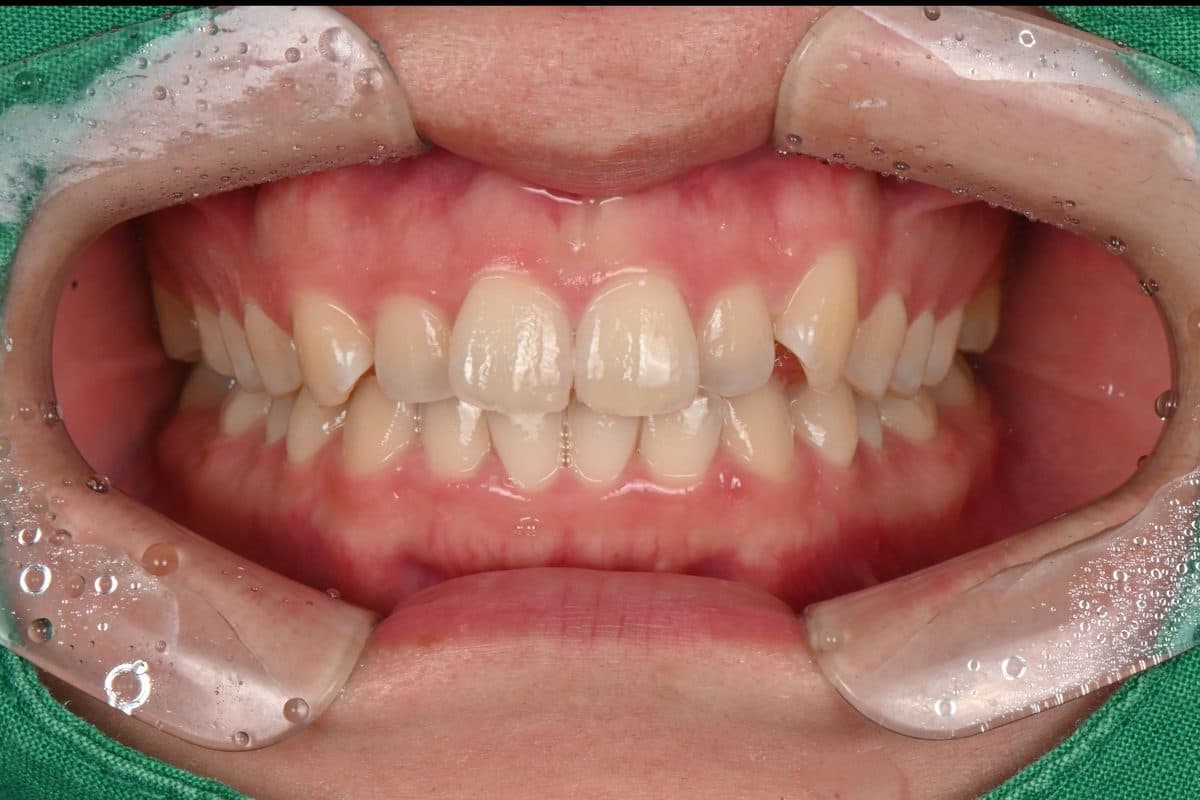
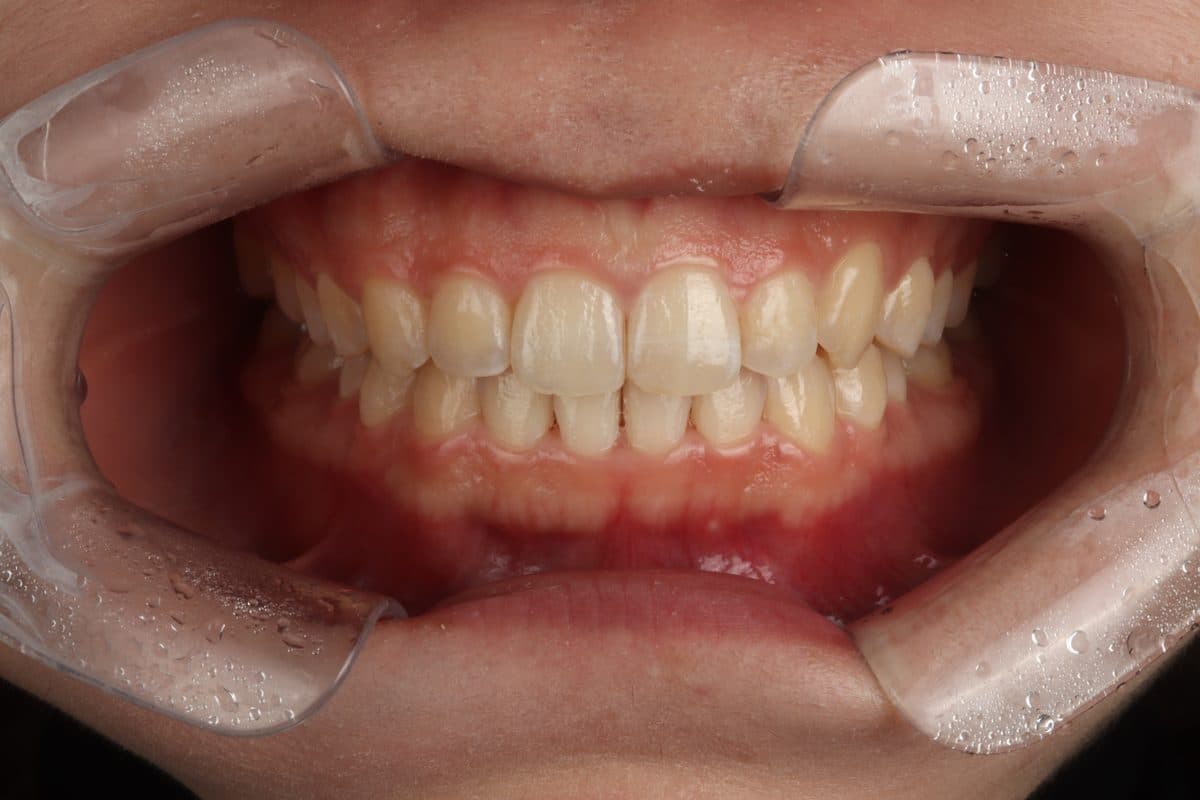
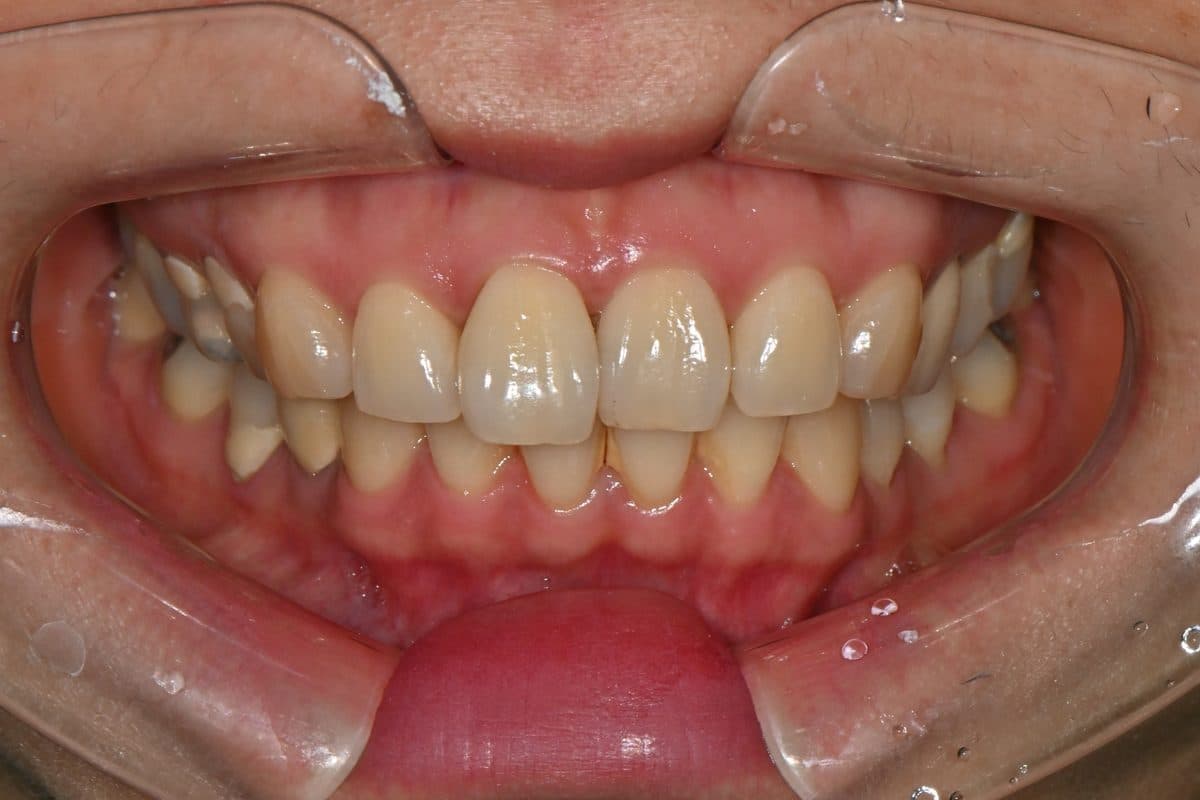
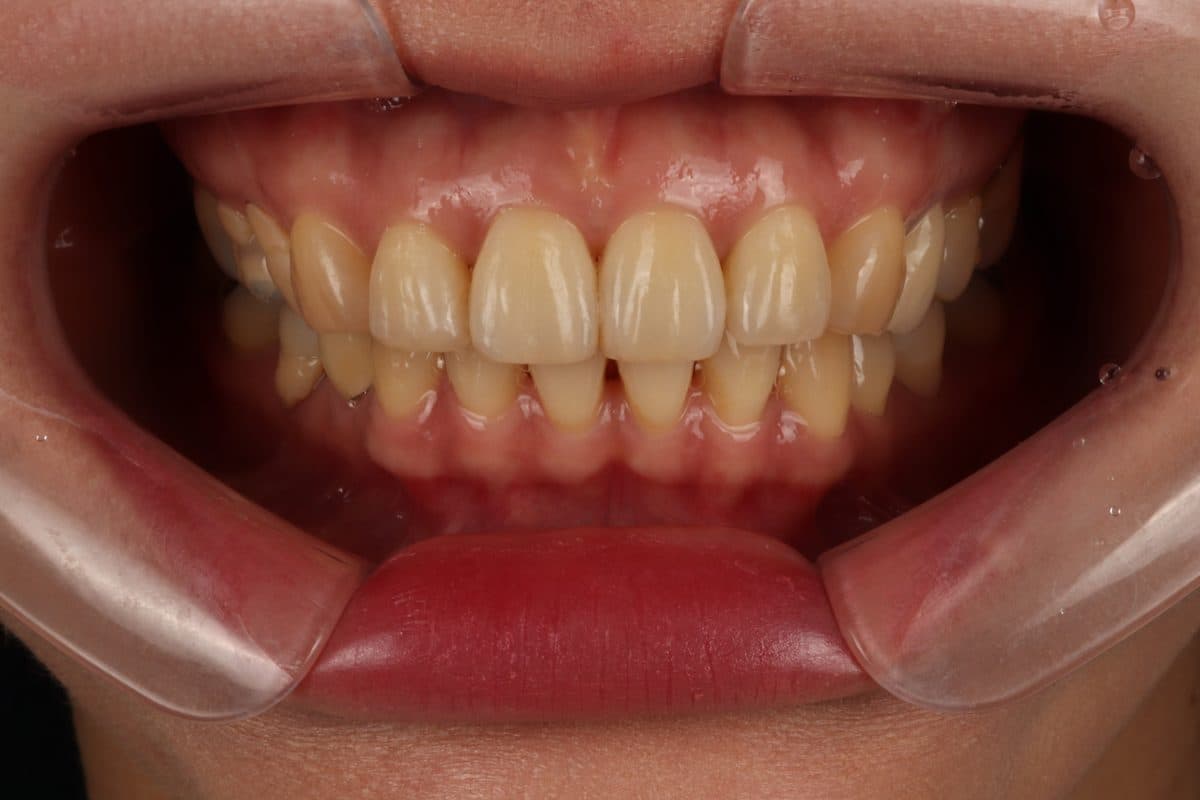
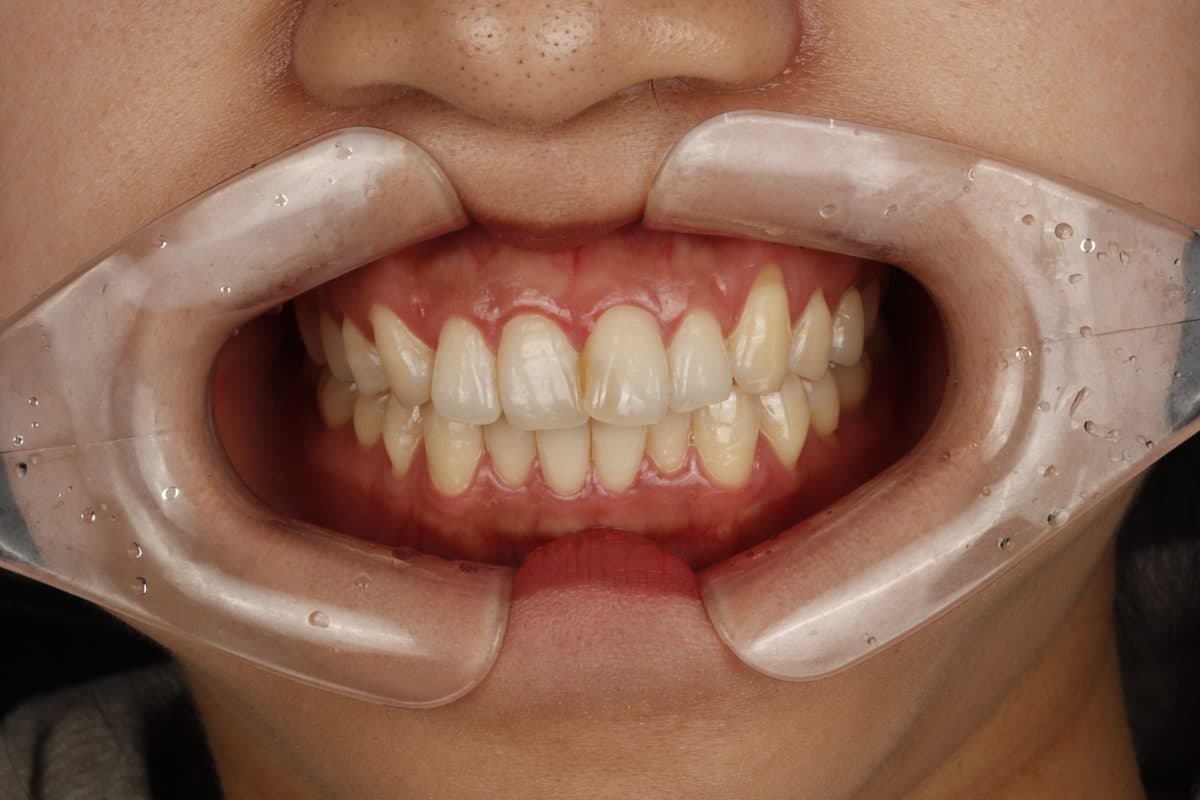
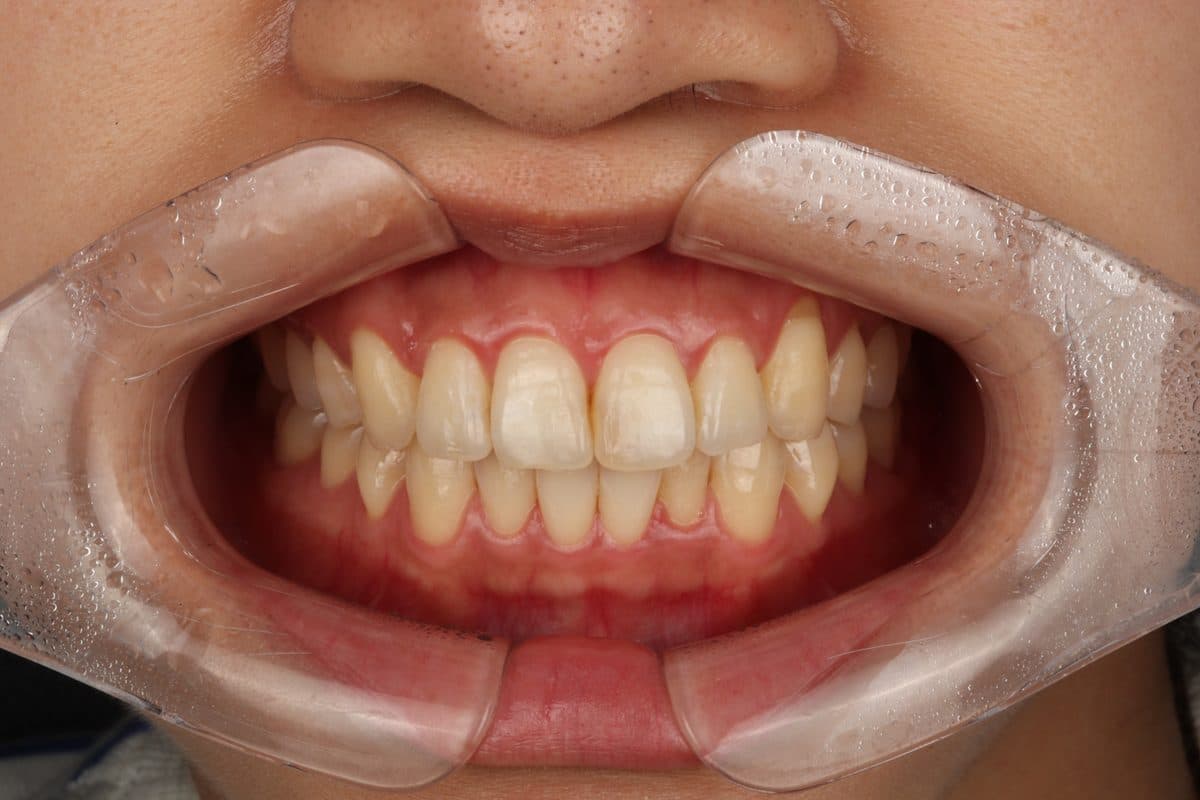
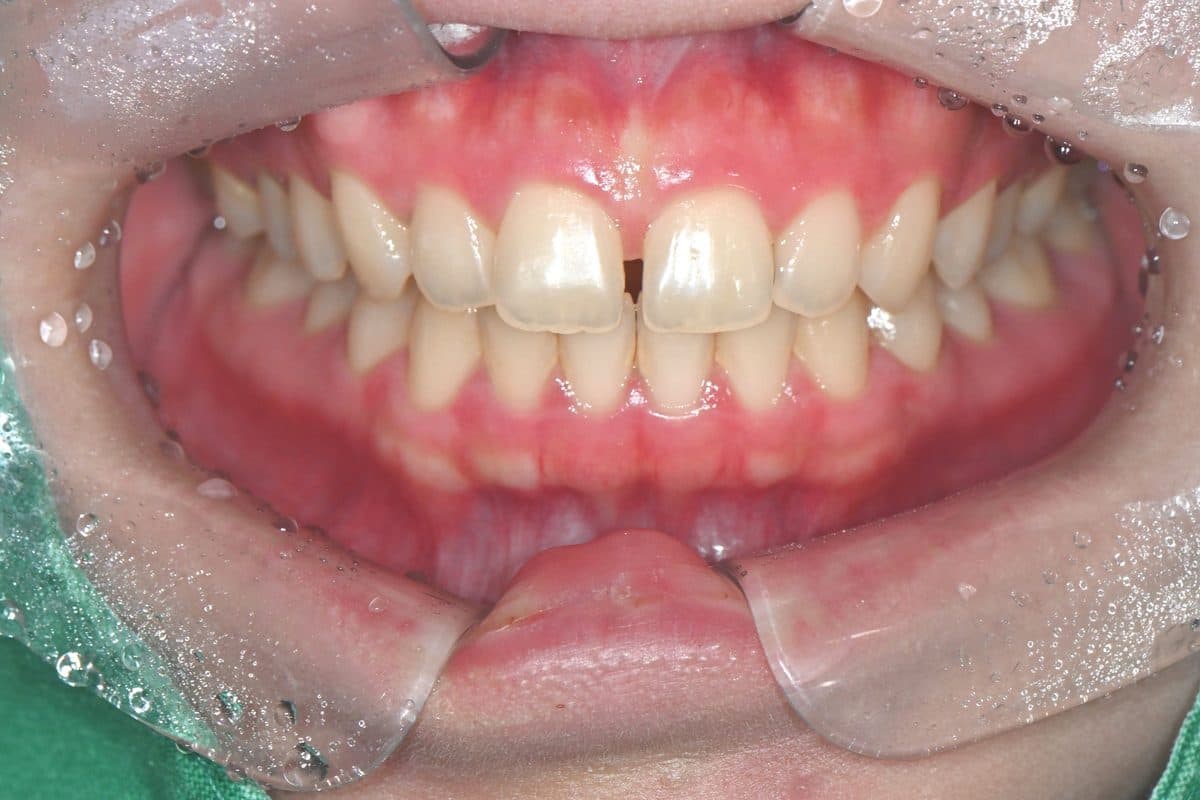
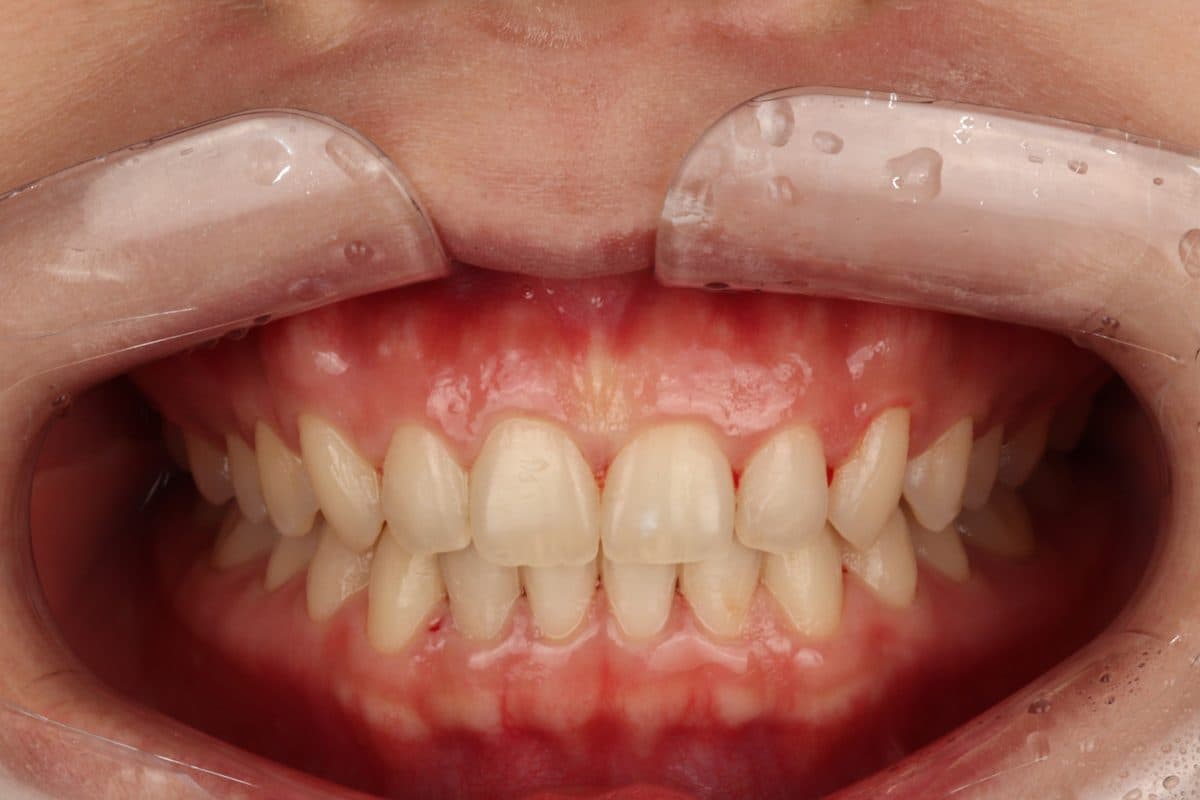
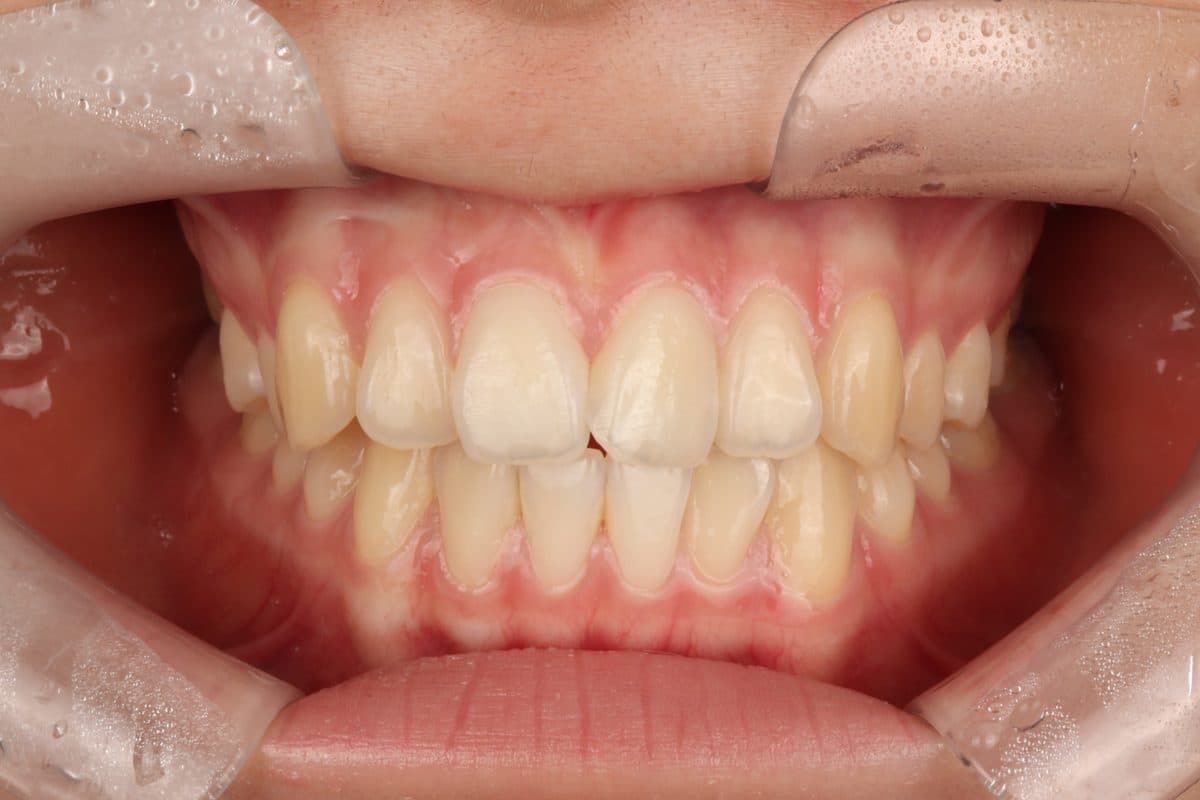
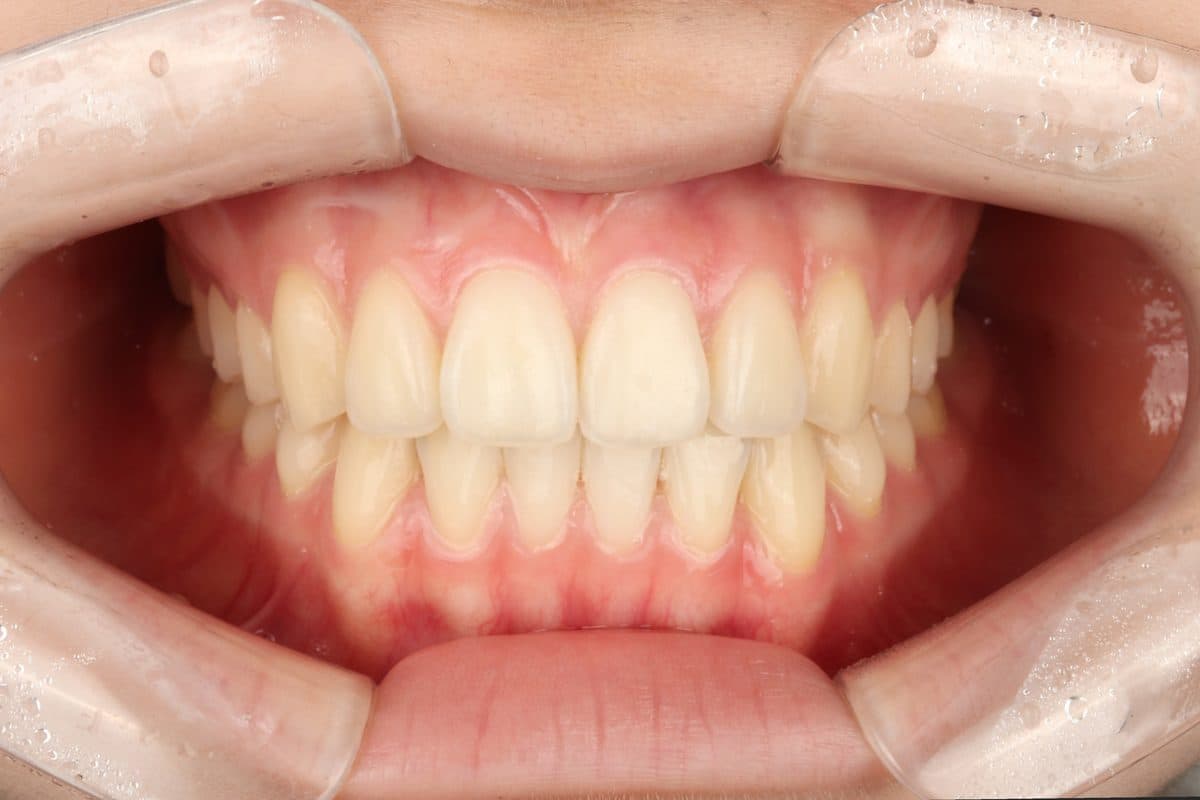
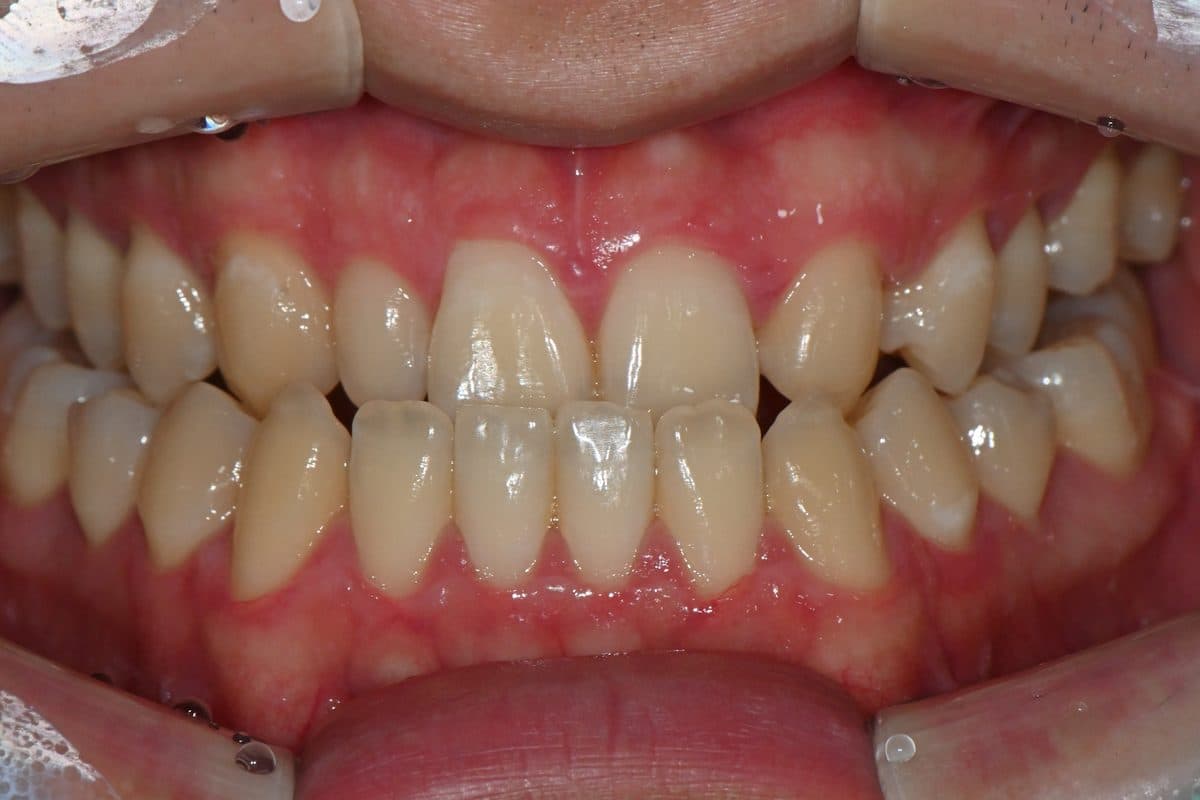
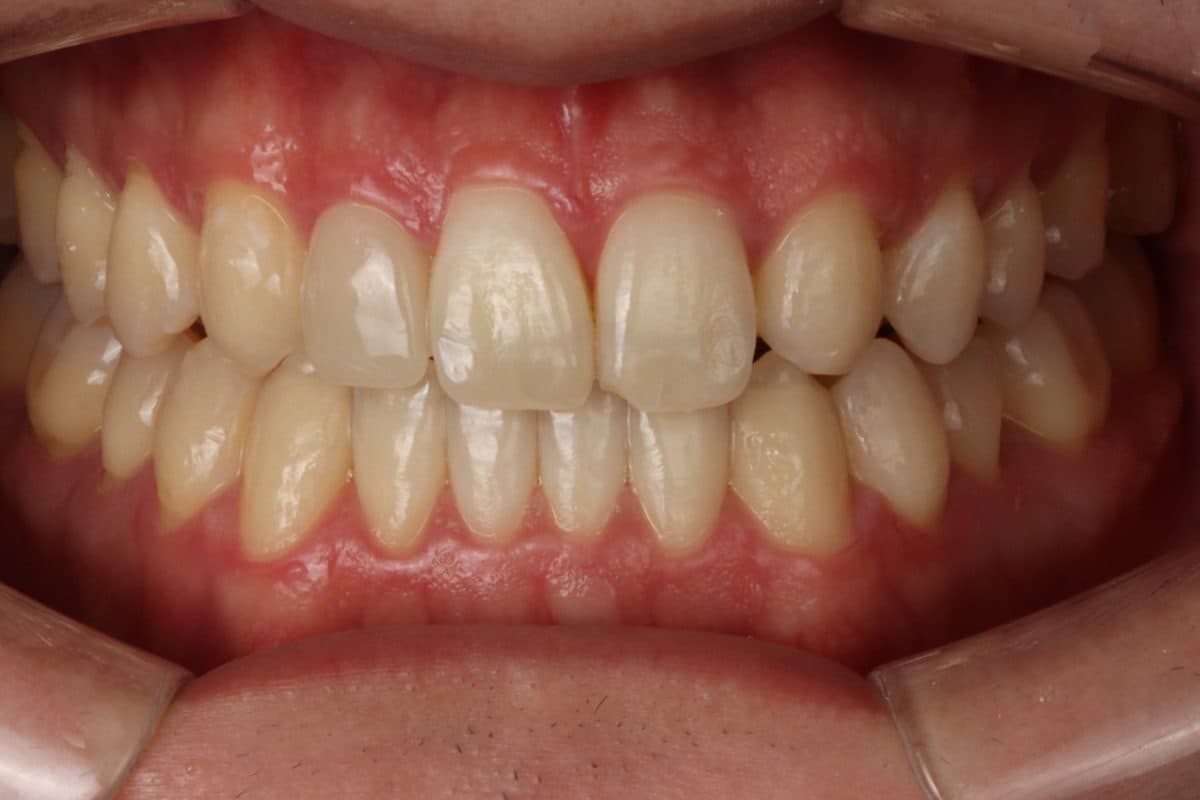
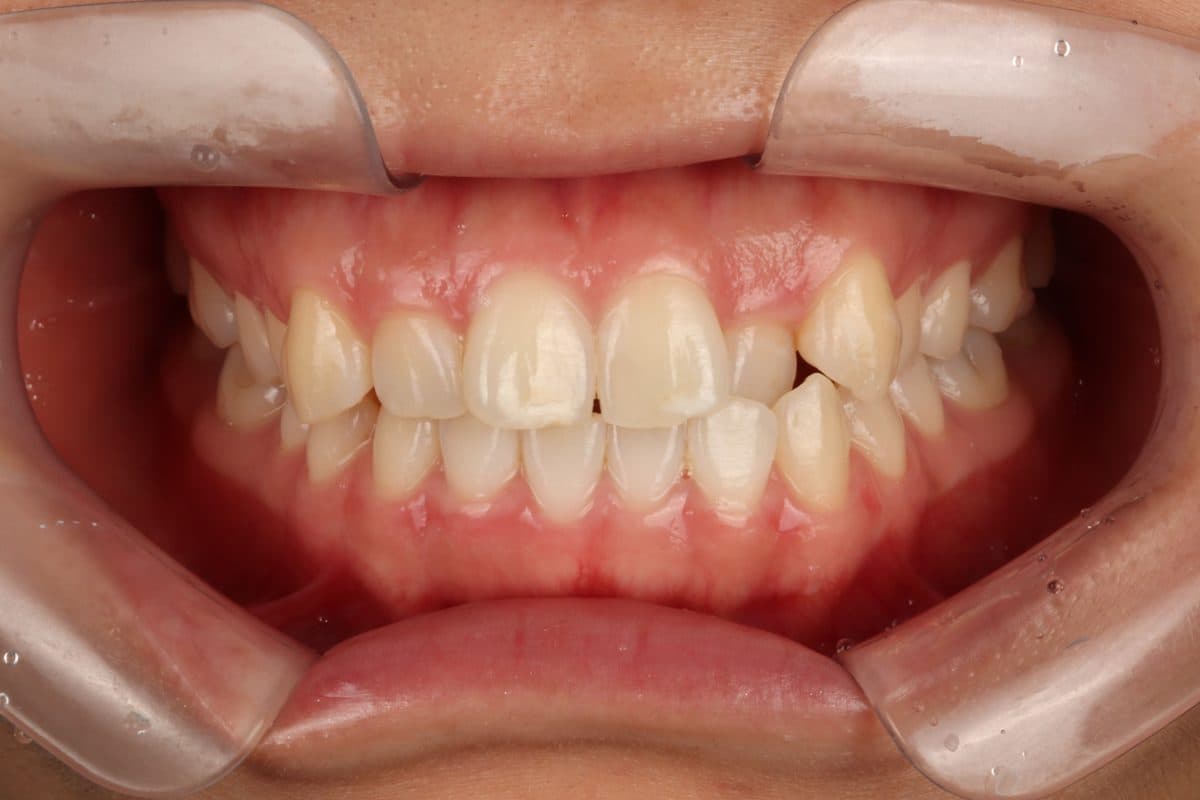
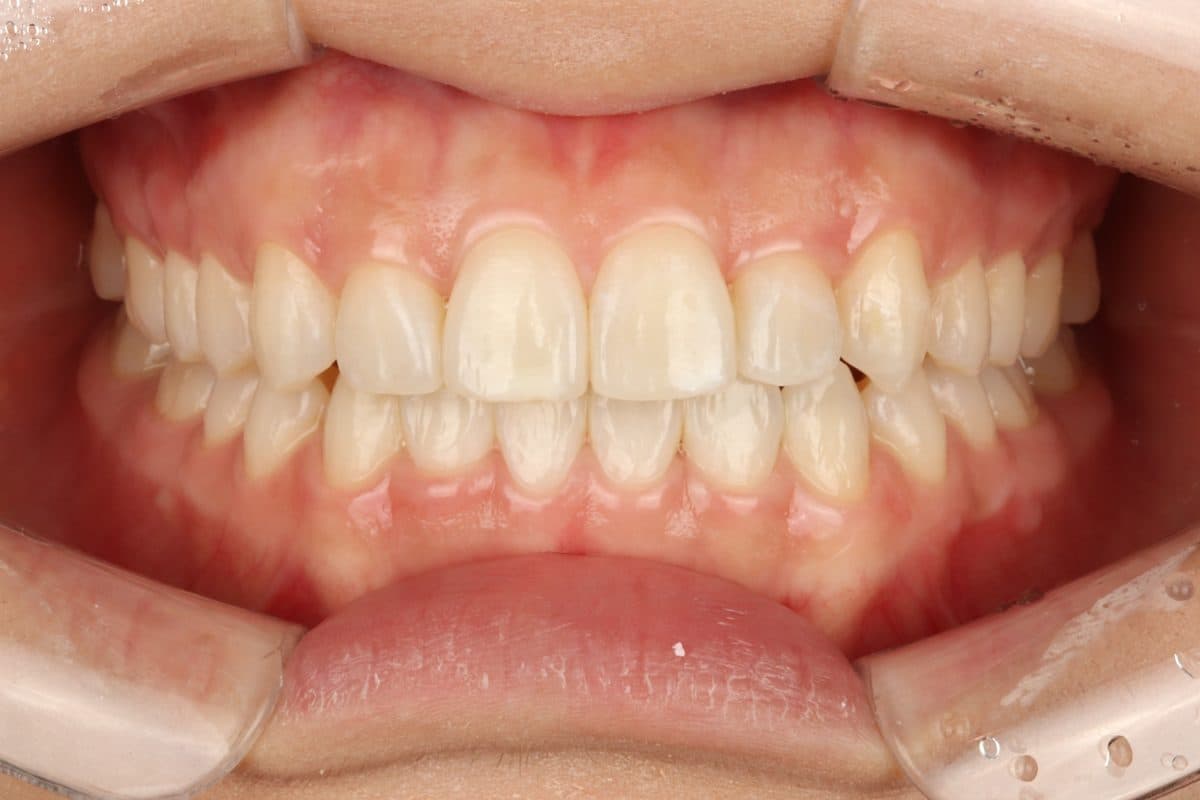
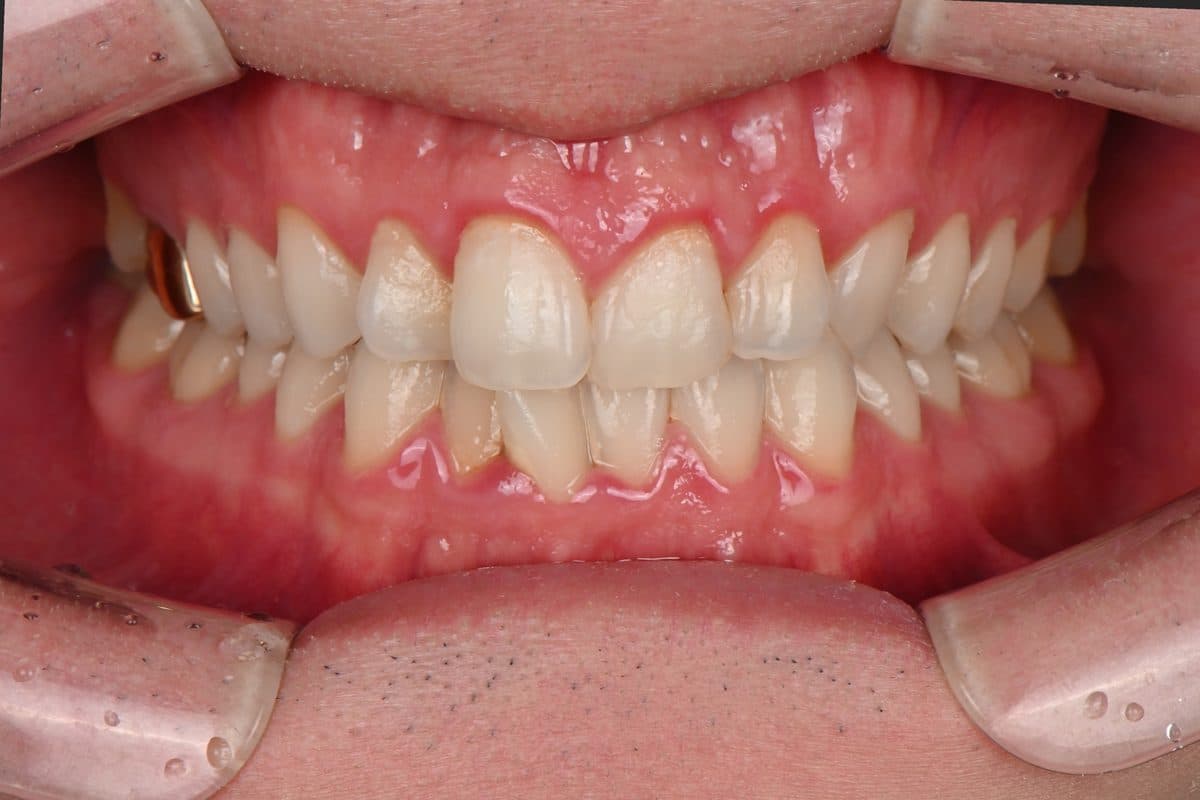
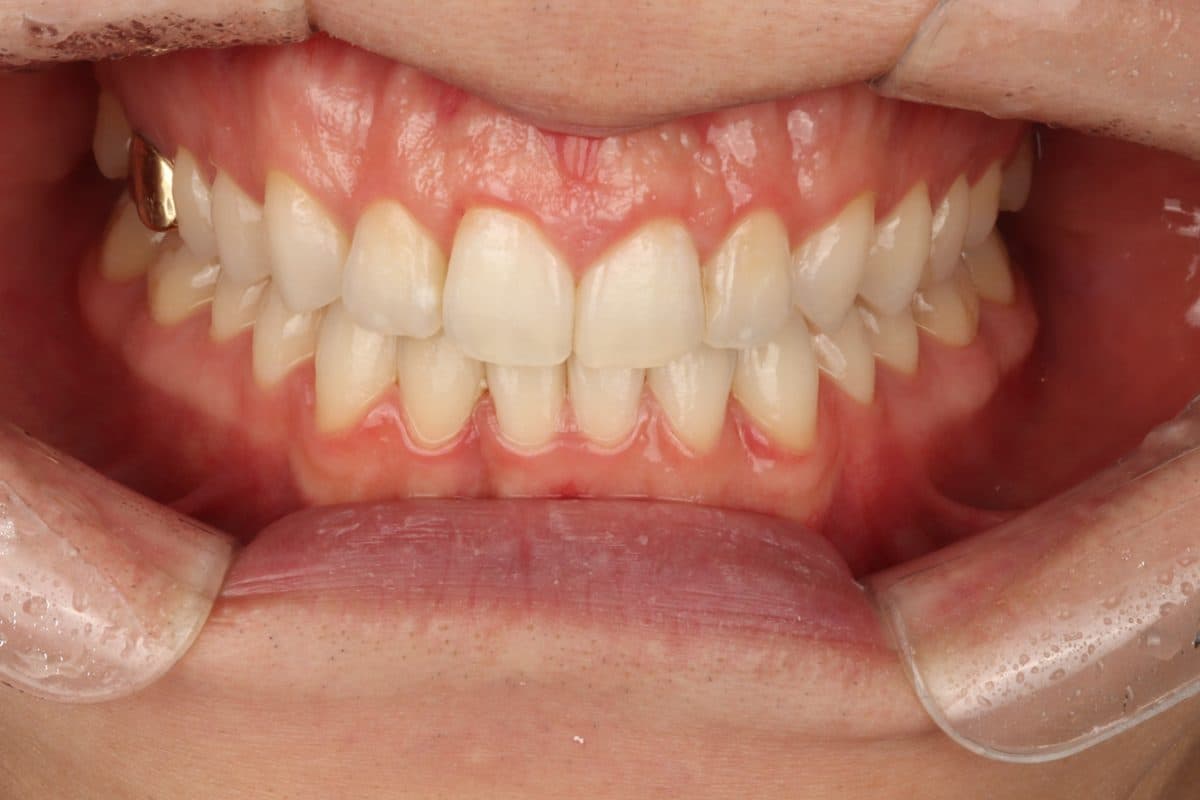
Real Blanche Dental orthodontic cases published with the patients' consent. The appliance used and treatment time differ by case, and results vary from person to person. Pain or discomfort while adjusting to the appliance, gum inflammation or cavities when care is insufficient, root resorption, and relapse after treatment can occur.
Orthodontic cost
Orthodontic costs depend on the type of appliance, how far teeth move (partial or full), whether extraction is needed, and duration. Base prices are below; the final amount for your teeth is given item by item after the detailed exam. Orthodontic fees are not subject to VAT.
- Prices for all treatments are on our full price list.
- Approximate USD: KRW 200,000 ≈ USD 145, KRW 1,000,000 ≈ USD 735, KRW 1,800,000 ≈ USD 1,325, KRW 50,000 ≈ USD 35 (based on USD 1 = KRW 1,359).
When comparing quotes, check what is included before looking at the total. Depending on whether the exam, appliance, adjustments and retainers are each included or separate, the same treatment can appear to cost different amounts. Feel free to make the decision at home.
From start to finish,
Dr. Juhee Baek treats you personally
At Blanche, orthodontic specialist Dr. Juhee Baek, who has practiced only orthodontics for 22 years, personally consults, places your appliance and checks the finish. Orthodontic specialists are only about 5% of dentists in Korea.
"With know-how built up over countless orthodontic cases, I will treat you with care and comfort."
- Valedictorian, Kyung Hee University College of Dentistry
- Orthodontics residency, Kyung Hee University Dental Hospital
- Master of Dental Science in Orthodontics, Kyung Hee University Graduate School of Dentistry
- Specialist and certified member, Korean Association of Orthodontists
- 10,000+ orthodontic cases treated over 22 years
- Presented an outstanding non-extraction orthodontic case at Osaka Dental University, Japan
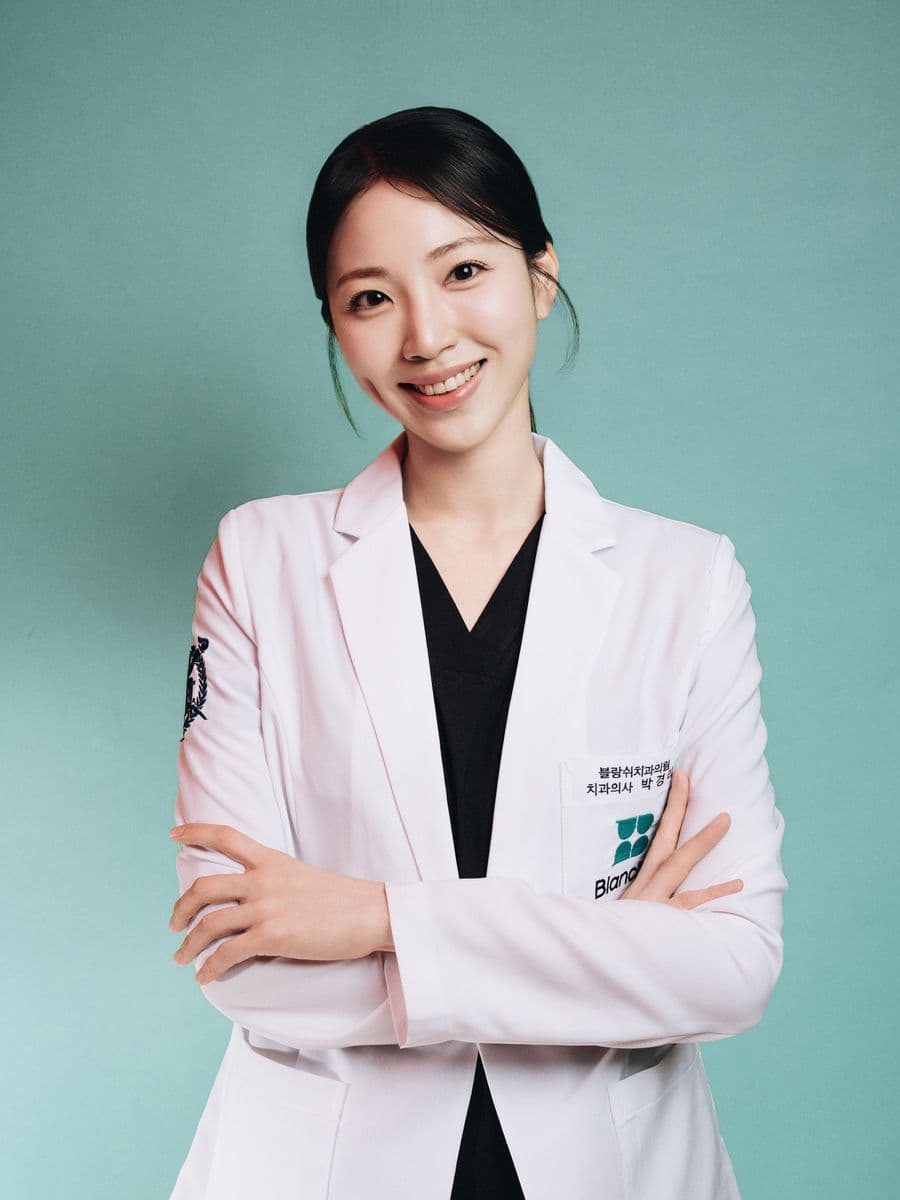
Integrated Dentistry specialist
Dr. Kyungri Park
Drawing on her experience as an orthodontic clinic director, she treats orthodontic patients together with Dr. Juhee Baek. Cavity and gum care during orthodontics and finishing work such as veneers afterward are all continued within one clinic.
- Graduate of Stanford University
- Graduate of Seoul National University College of Dentistry
- Master's, Seoul National University Graduate School of Dentistry
- Clinical training at UCLA and Columbia University dental hospitals (USA)
- Former orthodontics director · former chief director of an orthodontic clinic
Orthodontics: common questions
Who treats me if I get orthodontics at Blanche Dental in Gangnam?
How is an orthodontic specialist different from a general dentist?
Does orthodontic treatment hurt a lot?
How long does orthodontic treatment take?
How much does orthodontic treatment cost?
Which is better, clear aligners or ceramic braces?
What is the difference between Invisalign and Angel Aligner?
How do I know whether partial orthodontics is enough or I need full treatment?
Do teeth have to be extracted for orthodontics?
Can the braces be made invisible from the outside?
Will braces affect my speech?
Will my teeth shift again after treatment?
What if a small gap remains between my front teeth after orthodontics?
Which is right for me, veneers or orthodontics?
From what age can orthodontics start? Is it OK if I'm older?
How often do I need to visit?
I live overseas. Can I get a consultation?
Reviewed by Dr. Juhee Baek (orthodontic specialist, 22 years; Master's in Orthodontics, Kyung Hee University Graduate School of Dentistry) · Last updated
Blanche Dental Clinic, Nonhyeon Station, Gangnam
A 30-second walk from Exit 4 of Nonhyeon Station, on Gangnam-daero.
Subway
Address
Phone
Hours
Before choosing an appliance,
show an orthodontic specialist first
Send us two photos, one of your face from the front and one smiling, and a dentist will look at them personally and tell you which exams you need first.
Send us a front photo and a smiling photo — a dentist will review them and reply.
Chat on WhatsAppCall +82-1877-2882