
Orthodontics for kids:
timing based on growth stage
With children, we look beyond the teeth to which way the jaw is growing and whether there is room for the permanent teeth to come in. First, we tell you whether it is time to start or whether it is fine to wait.
- Treated personally by Dr. Juhee Baek, orthodontic specialist with 22 years of experience
- Growth-stage check-up
- Invisalign First
- Habit-correcting appliances
Does my child
need braces now?
When your child's teeth come in crooked or the lower jaw seems to stick out, it is hard to know whether to start braces right away or wait until all the permanent teeth are in. In children's orthodontics, starting early is not always better, and starting later is not always a loss. We decide based on the growth stage.
It is also called pediatric orthodontics or growth-stage orthodontics.
- The front teeth bite in reverse, or the lower jaw seems to stick out
- The permanent front teeth are coming in crowded because there is not enough room
- Your child breathes through the mouth while sleeping or during the day
- The tongue pushes between the front teeth when speaking or swallowing
- A thumb- or finger-sucking habit has continued for a long time
- A baby tooth came out too early, or has not come out long after it should have
Orthodontic appliances for kids
Depending on the growth stage and the problem, we use removable appliances, palatal expanders, clear aligners and more.
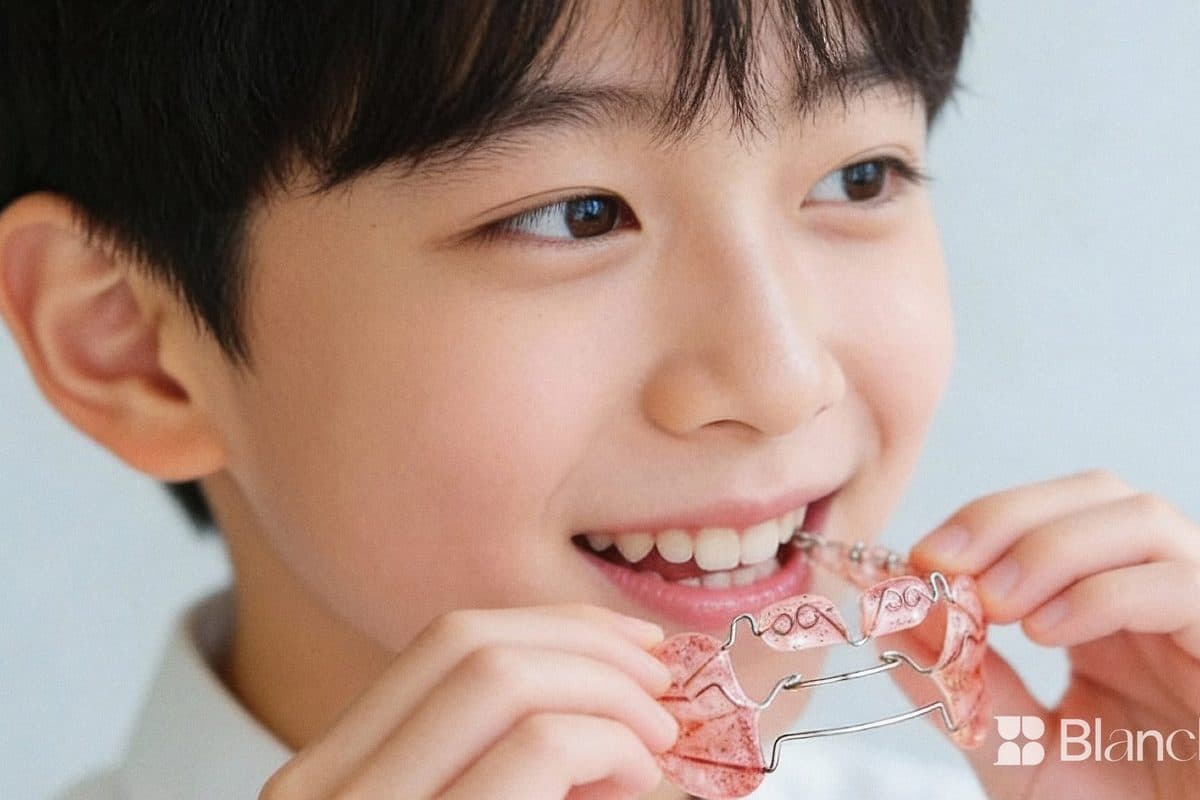
Removable orthodontic appliance for children · Illustrative image 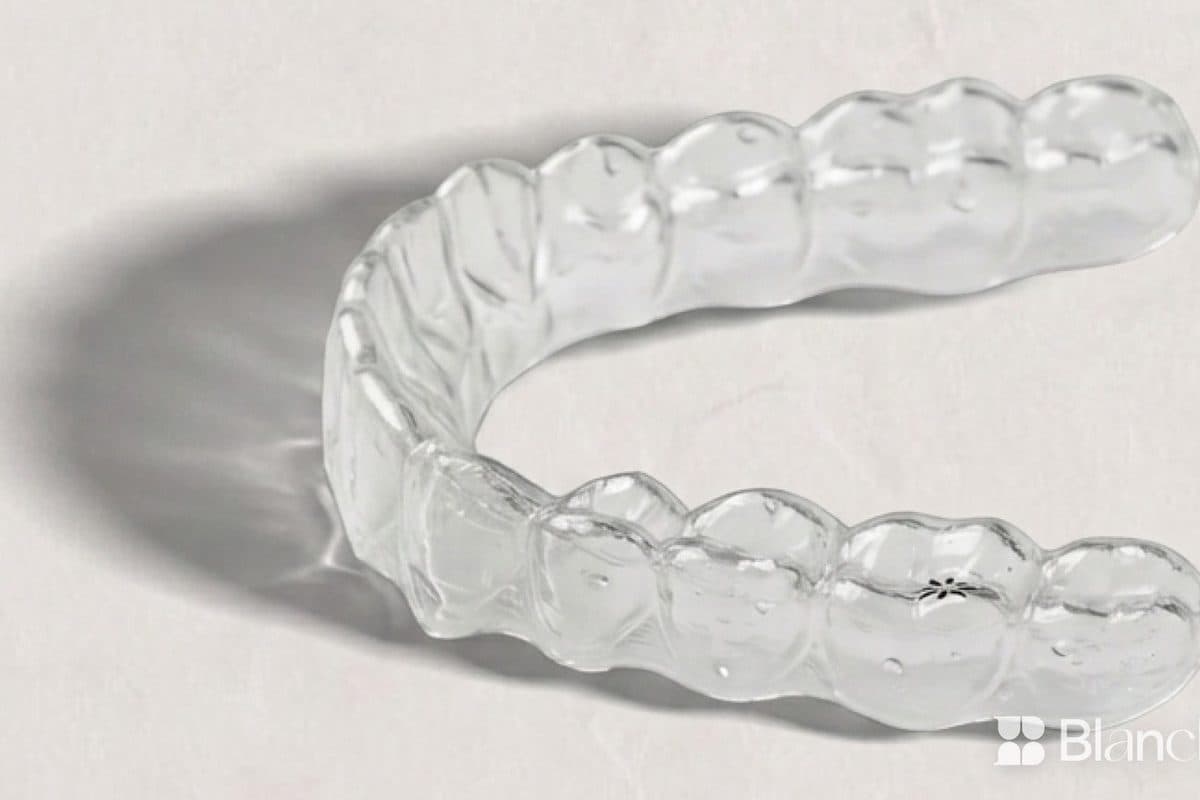
Clear aligners such as Invisalign First · Illustrative image
Illustrative images are included; the actual appliance may look different depending on the product and treatment plan.
Why orthodontics for kids
differs from adult braces
In adults, teeth are moved after the jawbones have finished growing. In children, the jaws are still growing and the permanent teeth are getting ready to come in. So orthodontics for kids focuses less on moving teeth and more on guiding the direction of jaw growth and making room for the permanent teeth.
Baby teeth stage
Only baby teeth are present. We look at jaw size, the bite and habits such as mouth breathing.
Mixed baby and permanent teeth
The permanent front teeth and first molars are coming in. This is a good time to check the room for permanent teeth and the direction of jaw growth.
Permanent teeth stage
Most permanent teeth are in place. If needed, braces are used to finish the alignment of the teeth.
Even at the same age, the pace at which permanent teeth come in and the timing of jaw growth differ from child to child. So we do not decide by age alone; we check which stage your child is in with X-rays and an oral exam, and then decide when to start.
When should your child have
a first orthodontic check-up?
In orthodontics, a first check-up is commonly recommended around age 7, when the permanent front teeth and first molars start to come in. A check-up at this age does not mean starting braces right away. Most children are monitored and start when the time is right, but some do better with early treatment, so we check in advance.
The first check-up is around age 7, and the ideal time for treatment is usually around the 5th grade of elementary school (roughly age 10 to 11). Dr. Juhee Baek considers around the 5th grade to be the ideal time for many children. However, growth rates differ, so the actual start is decided by the growth stage seen at the check-up.
If you notice a problem that could affect growth, such as a reverse bite or severe mouth breathing, have your child checked first, regardless of age.
What we check at the first visit
Which baby and permanent teeth are in, and how many The position of the permanent teeth in the gums and the space available, using X-rays Whether the upper jaw is narrow or the lower jaw sticks out Whether the front teeth bite in reverse or the bite is twisted to one side We ask parents about mouth breathing, tongue thrusting and finger sucking
Why mouth breathing, tongue thrusting and finger sucking
matter in orthodontics for kids
A growing jaw is influenced by the forces of the surrounding muscles and the tongue. Long-lasting habits can affect the direction in which teeth come in and the shape the jaw grows into, so we look at habits along with appliances.
Mouth breathing
Keeping the mouth open makes the tongue rest low and changes the balance of the muscles around the mouth, which can contribute to a narrow upper jaw.
Tongue thrusting
If the tongue pushes against the front teeth when speaking or swallowing, it can contribute to gaps between the front teeth or a bite where the upper and lower front teeth do not meet.
Finger sucking
If it continues for a long time, it can contribute to the upper front teeth tilting forward or gaps opening between them.
Having a habit does not always mean braces are needed. But when a habit is the cause, teeth moved with an appliance can shift again if the habit remains, so we look at the cause together. If your child breathes through the mouth because of a frequently blocked nose, we may also recommend seeing an ear, nose and throat (ENT) specialist.
What you can check
at home first
If any of the items below apply, please mention them at the consultation. Sending photos along with them helps. Even if none apply, we recommend a check-up at least once around age 7. The ideal time for treatment is usually around the 5th grade of elementary school.
- With the mouth closed, the lower front teeth are in front of the upper front teeth
- Your child sleeps with the mouth open or snores
- Even with the teeth closed, there is a gap between the upper and lower front teeth
- The face or jaw looks off to one side when smiling
- Permanent teeth are coming in behind the baby teeth or in the wrong place
- Your child chews only on one side or has trouble chewing
- Speech sounds slurred or lisping
Blanche's orthodontic appliances for kids:
when is each used?
We choose the appliance based on your child's problem and growth stage. Sometimes only one of the appliances below is used, and sometimes several are used one after another.
- 01
Invisalign First
When the teeth are not aligned evenly Clear aligners designed for the mouths of growing children. They can be removed, so your child can brush and eat as usual. In return, they must be worn consistently for the set time for treatment to go as planned, so the child and parents need to keep track of wear together.
- 02
Pre-Orthodontic Trainer (Preortho)
When there is mouth breathing or a tongue habit An appliance that uses the muscles around the mouth to guide the direction in which the jaws grow. It is made of a soft material, so it can be worn during sleep. Because it helps correct habits, consistent wear is important.
- 03
Fränkel appliance
When there is an underbite or crossbite Worn only inside the mouth, so it is not visible from the outside. It helps the upper jaw grow and moderates the growth of the lower jaw. Because it is used while the jaws are growing, choosing when to start is important.
- 04
Palatal expander + facemask
When the upper jaw is narrow and the front teeth bite in reverse First, a palatal expander widens the upper jaw; then a facemask draws the upper jaw forward to guide its growth. The facemask is worn outside the face, so it is mainly worn at home, including during sleep.
- 05
Space maintainer
When a baby tooth is lost too early If a baby tooth comes out earlier than expected, the neighboring teeth can tilt into the gap and narrow the space for the permanent tooth. A space maintainer holds that space until the permanent tooth comes in.
- 06
MARPE (mini-screw-assisted upper jaw expander)
Narrow upper jaw in adolescents and adults who have nearly finished growing An appliance that widens the upper jaw by anchoring small screws (mini-screws) to the bone of the palate. It is used for narrow upper jaws in adolescents and adults who have nearly finished growing, when a conventional palatal expander alone is unlikely to work. The mini-screws are placed under local anesthesia, and during expansion the palate may feel tight or a gap may temporarily open between the front teeth.
More important than the appliance's name is "why this appliance, and why now". At the consultation, we explain the reasons until you fully understand them. We go over every explanation at least four times.
How appliances help when the upper jaw is narrow and the front teeth bite in reverse. This explanation uses a palatal expander and facemask together as an example. The actual order and duration differ from child to child.
Upper jaw narrow and set back
The upper jaw is narrower and smaller than the lower jaw, so the front teeth bite in reverse.
Widening with a palatal expander
An appliance on the palate widens the upper jaw.
Guiding forward with a facemask
It guides the upper jaw to grow forward, helping the upper and lower front teeth bite correctly.
Growth response and results vary from child to child.
Why orthodontics for kids
is sometimes done in two phases
Treatment during growth and treatment after all the permanent teeth are in have different goals. Not every child needs both.
Phase 1 can sometimes make Phase 2 unnecessary or reduce its scope, but not always. We tell you at the start if both phases might be needed. If your child is a teenager with all permanent teeth in, or you are considering braces as an adult, also see Adult Orthodontics, Clippy-C Braces and Invisalign.
Real Blanche orthodontic cases for children and teens. Drag the photos left and right to compare before & after.
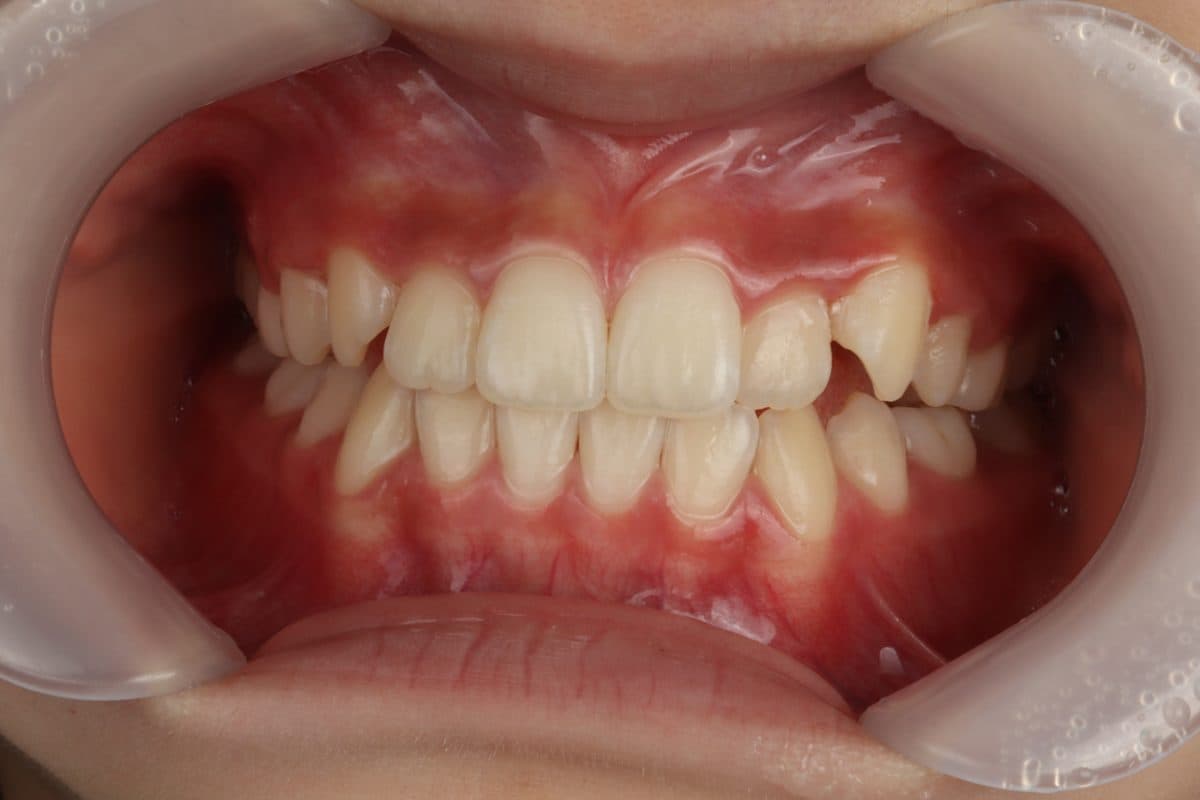
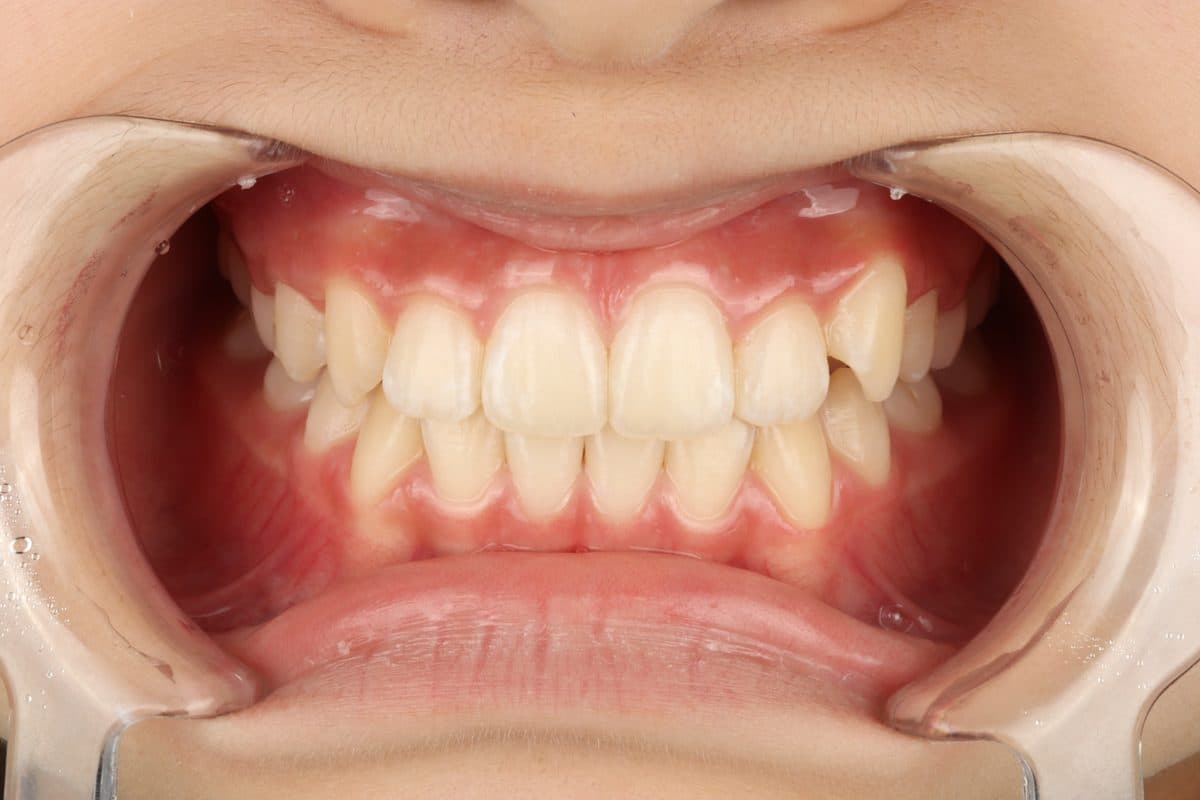
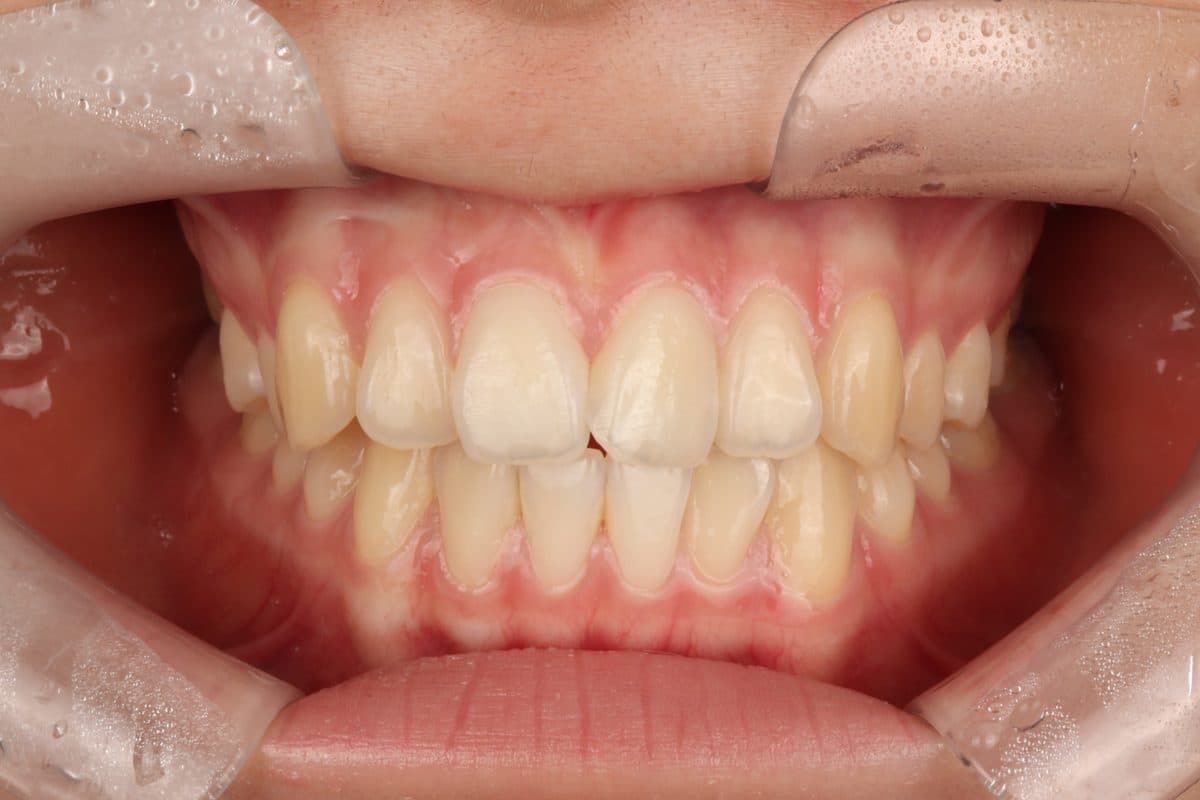
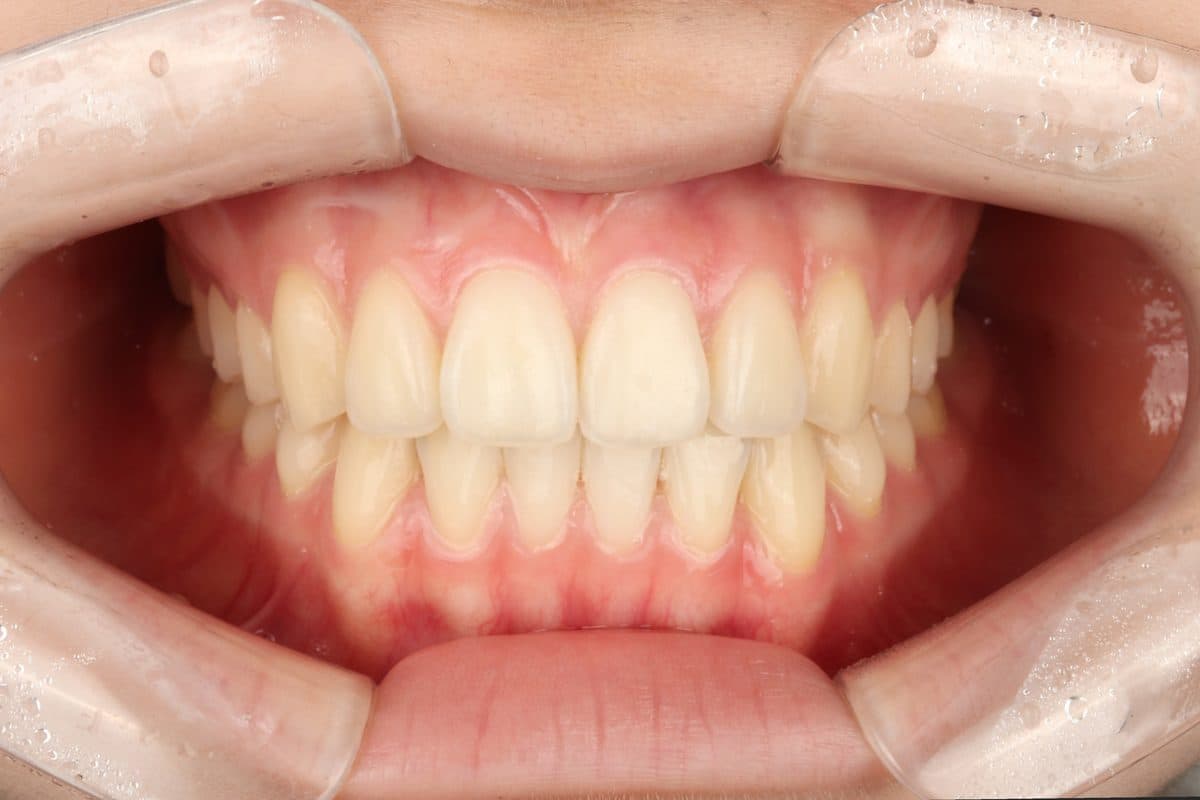
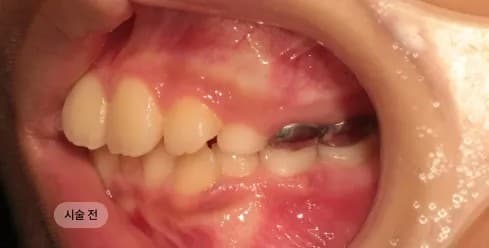
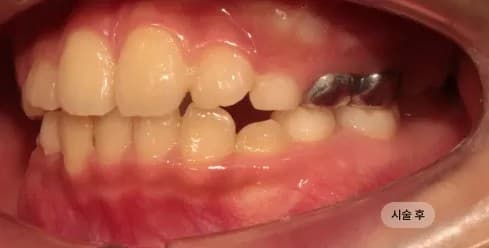
These are real Blanche Dental orthodontics for kids cases published with the parents' consent. Treatment time and results vary depending on growth response and cooperation, and pain or discomfort while adjusting to the appliance, cavities or gum inflammation with insufficient care, and changes in the bite due to growth can occur.
The orthodontics for kids process
Dr. Juhee Baek personally handles the consultation, appliance placement and final check. Our dentists spend more than an hour on each orthodontic consultation and keep explaining until parents fully understand.
- 01
Growth-stage check-up
An oral exam and X-rays show which growth stage your child is in.
- 02
Full exam
Photos, an intraoral scan and any necessary X-rays record the relationship between the jaws and teeth.
- 03
Deciding the timing
The dentist decides whether to start now or monitor first, and explains why.
- 04
Choosing & fitting the appliance
We choose an appliance suited to the problem and growth stage, and show your child and you how to wear it.
- 05
Regular monitoring
We adjust according to growth and the response to the appliance, and check that it is being worn properly.
- 06
Re-evaluation
After Phase 1, we monitor until the permanent teeth come in and decide whether Phase 2 is needed.
Phase 1 takes about 6 months and depends on your child's problem and growth rate, so we give you exact details after the full exam. Because children need to keep coming in while attending school, we are open until 9 p.m. on Tuesdays and Wednesdays and until 2 p.m. on Saturdays. We are a 30-second walk from Exit 4 of Nonhyeon Station.
Orthodontics for kids is a team effort
between child and parents
Many appliances are removable, so how consistently they are worn has a big impact on the result.
- 01
Keep up the wear time
The appliance must be worn for the set time for treatment to go as planned. Please help your child keep track for the first few weeks.
- 02
Clean the appliance and teeth
Brush after taking the appliance out, and clean the appliance separately. Insufficient care can lead to cavities and gum inflammation.
- 03
Tell us about discomfort
At first, the teeth may feel sore or speech may feel awkward. If your child wants to take it out because it hurts, do not make them put up with it; please contact us.
- 04
Store the appliance
Always put the appliance in its case when it is out. Appliances wrapped in tissue are often lost.
Good to know in advance
- While adjusting to the appliance, there may be pain or discomfort and speech may feel awkward
- Insufficient care can lead to cavities and gum inflammation
- Growth response differs from child to child, so treatment time and results vary
- Growth continues after treatment and the bite may change again, so regular monitoring is needed
Cost of orthodontics for kids
The diagnosis fee is KRW 200,000 (≈ USD 145), included in the total cost if you proceed with treatment. The appliance fee depends on the appliance used, whether treatment ends with Phase 1 or continues to Phase 2, and the expected duration, so after the full exam we give you an estimate broken down by phase and item. You can see all fees in our full price list. You are welcome to make the decision at home with your child.

From start to finish,
Dr. Juhee Baek oversees your child's braces
At Blanche, orthodontic treatment is led by Dr. Juhee Baek, an orthodontic specialist who has practiced only orthodontics for 22 years. She personally handles the consultation, places the appliance and checks the final result. Orthodontic specialists make up only about 5% of dentists in Korea.
"With the know-how built up over countless orthodontic cases, I will treat you carefully and comfortably."
- Valedictorian, Kyung Hee University College of Dentistry
- Orthodontics residency, Kyung Hee University Dental Hospital
- Master's in Orthodontics, Kyung Hee University Graduate School of Dentistry
- Board-certified specialist, Korean Association of Orthodontists
- More than 10,000 orthodontic cases over 22 years
- Presented an outstanding non-extraction case at Osaka Dental University, Japan

Integrated Dentistry specialist
Dr. Kyungri Park
Drawing on her experience as an orthodontic clinic director, she treats orthodontic patients together with Dr. Juhee Baek. Cavity and gum care during braces, and finishing touches such as veneers after treatment, are all provided within the same clinic.
- Graduate of Stanford University
- Graduate of Seoul National University School of Dentistry
- Master's degree, Seoul National University School of Dentistry
- Clinical training at UCLA and Columbia University dental schools, USA
- Former orthodontic clinic director and chief director
Questions about orthodontics for kids
At what age does orthodontics for kids start?
Can't we just wait until all the permanent teeth are in?
Does pediatric orthodontics always need two phases?
Which children is Invisalign First used for?
When is the Preortho trainer used?
Is the Fränkel appliance visible from the outside?
Does my child have to wear the facemask to school?
Can my child's underbite improve with orthodontics for kids?
Is mouth breathing related to orthodontics?
Is it OK to leave a finger-sucking habit alone?
Will it hurt my child?
What if my child does not wear the appliance enough?
My child lost a baby tooth early. Are braces needed?
How long does orthodontics for kids take?
How much does orthodontics for kids cost?
When is MARPE used?
Can my child come after school?
Does a parent need to come along?
Reviewed by Dr. Juhee Baek (orthodontic specialist, 22 years of experience; Master's in Orthodontics, Kyung Hee University Graduate School of Dentistry) · Last updated
Blanche Dental Clinic, Nonhyeon Station, Gangnam
A 30-second walk from Exit 4 of Nonhyeon Station, on Gangnam-daero.
Subway
Address
Phone
Hours
Is it time to start, or is it fine to wait?
We will tell you first
Send us two photos of your child, one of the face from the front and one smiling, via WhatsApp. An orthodontic specialist will look at the growth stage and let you know when a check-up is advisable.
Send us a front photo and a smiling photo — a dentist will review them and reply.
Chat on WhatsAppCall +82-1877-2882