
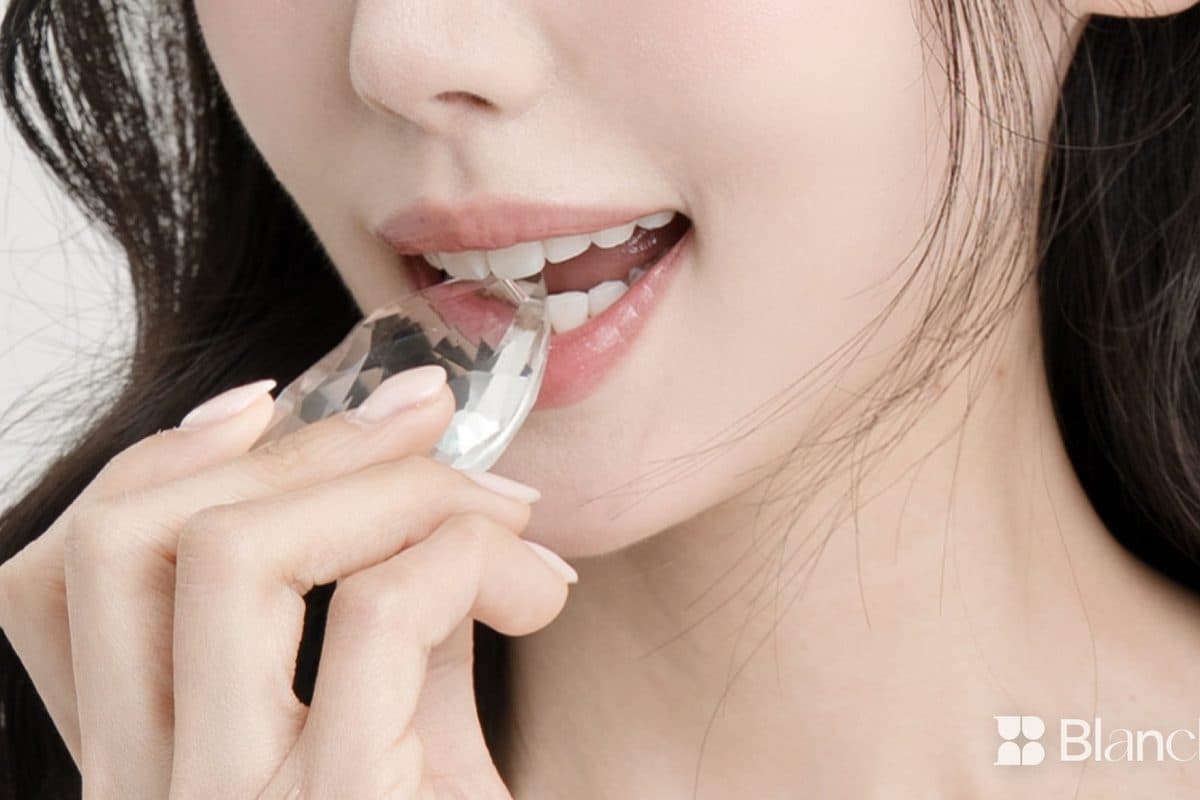
Invisalign clear aligners,
planned by an orthodontic specialist
You switch to a new clear aligner in sequence, and your teeth move a little at a time. Which teeth move, in what order and by how much is decided by a dentist who has practiced only orthodontics for 22 years.
- Treated personally by Dr. Juhee Baek, orthodontic specialist (22 years)
- iTero scan, no messy impressions
- ClinCheck 3D simulation
- 1+ hour consultation with a dentist
If you want braces
that people won't notice
Invisalign moves teeth with thin, clear aligners instead of wires and brackets. Many people choose it because they want to straighten their teeth while working or meeting people often. Clear aligners don't suit every tooth arrangement, though, so we first check whether they will work for you and how far they can go.
- My front teeth overlap or are twisted, and it bothers me when I smile
- I have many meetings or presentations, and visible braces feel like a burden
- I want to eat and brush as usual
- I'd like to see how my face will change before I start
- I had braces before, but my teeth have shifted again
- I want to know whether clear aligners will work, or whether another appliance is better
What Invisalign looks like
Thin, clear aligners made to fit your teeth are swapped in sequence to move the teeth.
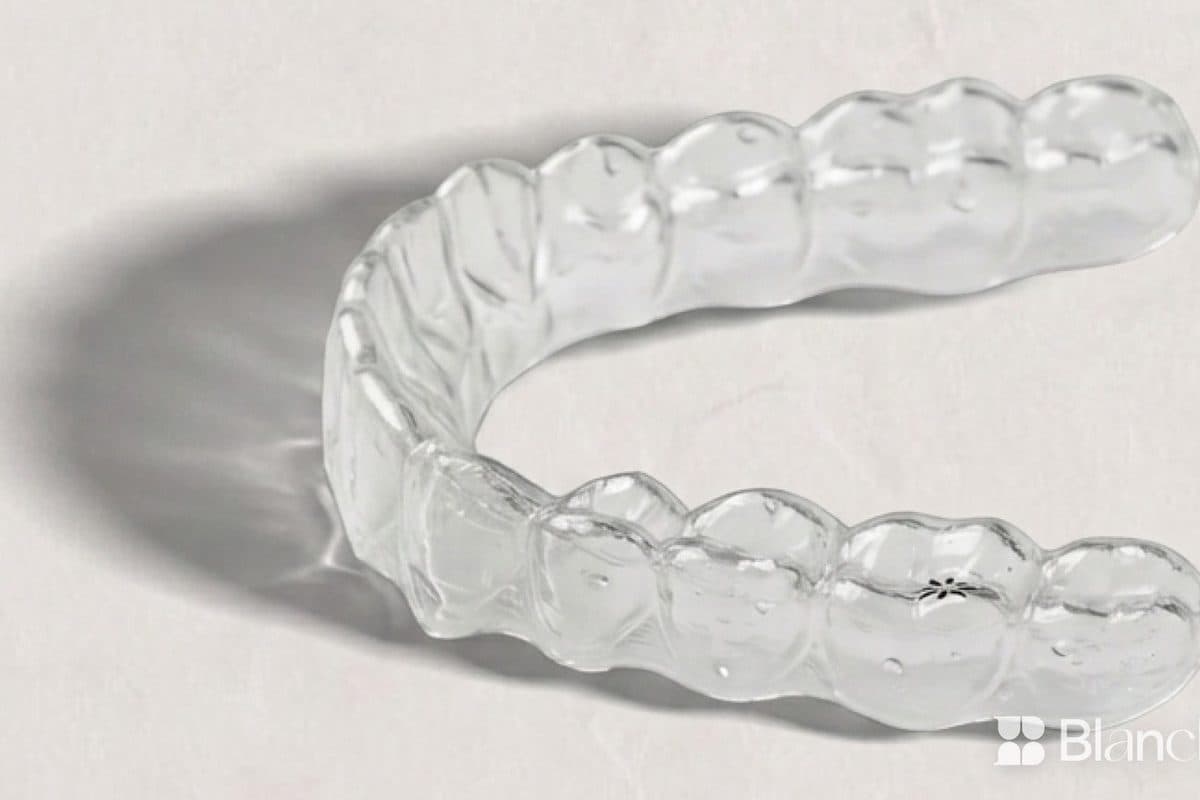
A thin, clear aligner fits over the teeth · Sample image 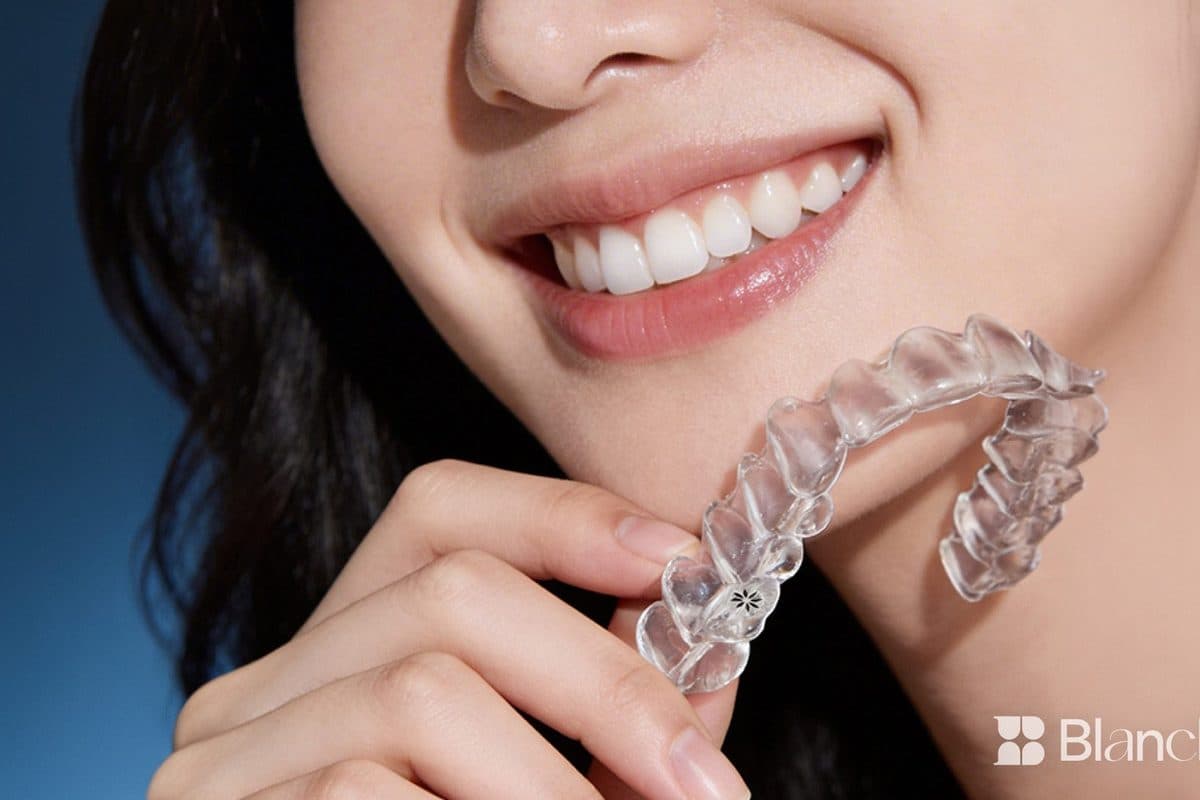
Take it out to eat and brush, then put it back in · Sample image 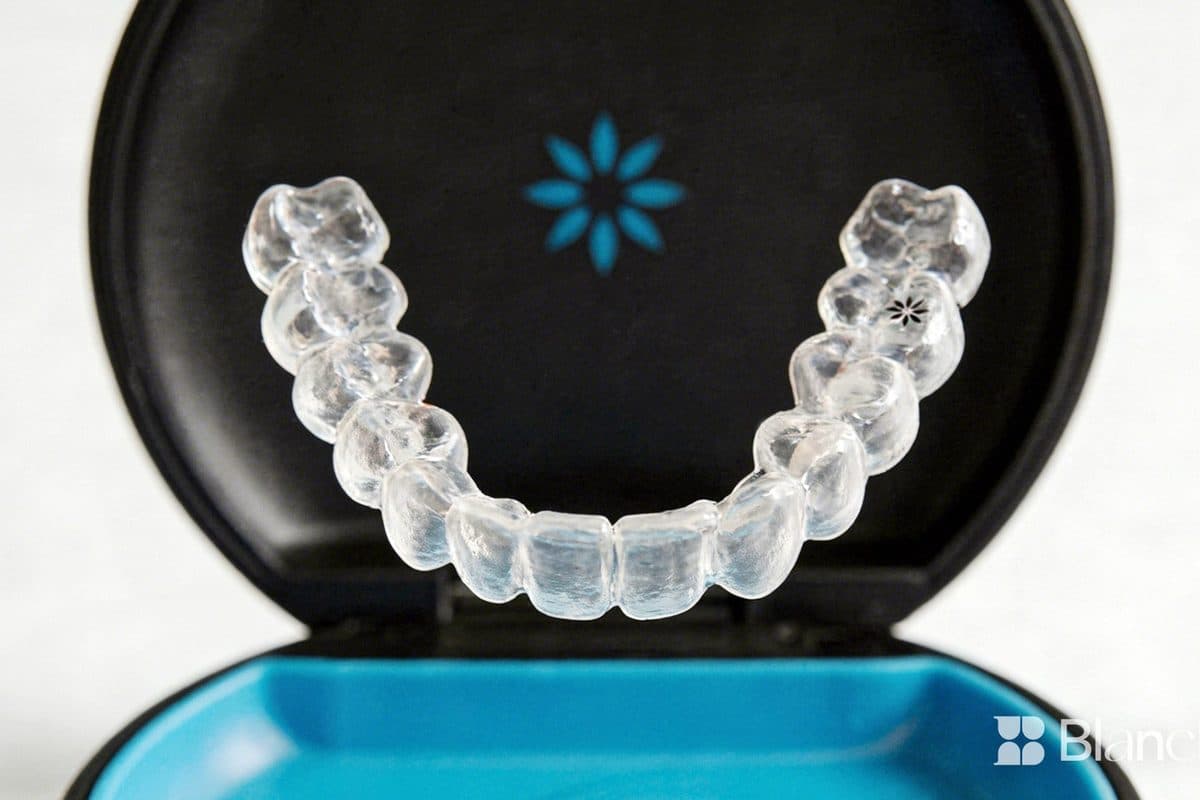
Keep it in its case whenever it's out · Sample image
Includes sample images. The actual appliance may look different depending on the product and treatment plan.
Invisalign results depend
more on the plan than the aligner
The manufacturer's software creates a first draft of how the teeth will move. Whether to approve that draft as it is, which teeth to move less and where to make space are decisions the orthodontist makes and corrects.
- 01
Specialist training
After dental school, she completed an orthodontic residency and became a specialist.
- 02
About 5% of dentists in Korea
Orthodontic specialists make up about 5% of dentists in Korea.
- 03
22 years of orthodontics only
Dr. Juhee Baek has practiced orthodontics for 22 years.
- 04
10,000+ cases
She has personally treated more than 10,000 orthodontic cases over 22 years.
A 3D simulation looks neat on screen, but whether the teeth can really move that way inside the jawbone can only be judged by also checking X-rays and root positions. At Blanche, after we receive the draft, Dr. Juhee Baek checks and corrects how far and in what order each tooth moves before the aligners are finalized for production.
How Invisalign
moves your teeth
Invisalign is a clear aligner system made by Align Technology in the United States. Every stage from start to finish is planned in advance, and you change aligners in order.
- 01
Aligners changed in sequence
Each aligner is made with the teeth in a slightly different position. Switching to the next one at set intervals (usually every 1–2 weeks, depending on the plan) lets the teeth follow that shape.
- 02
SmartTrack material
The aligners are made of the manufacturer's SmartTrack material, developed to fit snugly around the teeth and deliver steady force.
- 03
Attachments
Small bumps of tooth-colored resin are bonded to the teeth that need them. The aligner grips and pushes these bumps, helping with rotations and root angulation that are hard to achieve with the aligner alone.
iTero digital scan
Instead of cold impression paste, a digital intraoral scanner scans your mouth and creates a 3D image. It's comfortable even if you worry about gagging.
ClinCheck 3D simulation
Using the scan data, we show you on screen how your teeth will move stage by stage. You can see the expected result and ask questions before you begin.
Invisalign: the benefits
and what to know beforehand
Clear aligners are clearly convenient, but they also ask a lot of the patient. We recommend weighing both before you decide.
What you can expect
- They're clear, so they're hard to notice unless someone looks closely
- You take them out to eat, so there are few food restrictions
- You can take them out and brush and floss as usual
- No wires or brackets catching on your lips or cheeks
- You can see the movement plan in a 3D simulation before starting
What you need to accept
- If you don't keep up the daily wear time, teeth won't move as planned
- For a few days after switching aligners, you may feel tightness or pain
- Sweet drinks with aligners in raise the risk of cavities
- Your speech may feel a little off for the first few days
- Depending on your teeth, clear aligners alone may not be enough
The generally recommended wear time is 20–22 hours a day. That means wearing them almost all day except when eating and brushing. If you're not confident you can manage this yourself, please tell us honestly at your consultation. In that case we'll also compare fixed braces for you.
When Invisalign fits,
and when another option is better
These are general guidelines. Even with the same "crooked tooth", the decision depends on how much space is lacking and where the roots are.
Good cases to consider Invisalign
- Mild to moderately crowded teeth
- Partial orthodontics for the front teeth only (possible with clear aligners)
- Gaps between front teeth, spaced teeth
- Teeth that shifted slightly after previous orthodontics
- People who can keep up the wear time on their own
Cases that need a full exam first
- Protruding mouth that may require extractions
- Deep bite, or a bite where the front teeth don't meet
- Severely rotated teeth, or teeth buried in the gums
Cases where we suggest another method first
- When a large jawbone discrepancy means surgery should also be considered
- When gum inflammation or cavities must be treated first
- When daily wear is realistically difficult
Invisalign vs. bracket braces:
how daily life differs
It's less about which is better and more about choosing what fits your teeth and lifestyle.
The Invisalign process
Dr. Juhee Baek personally handles the consultation, placing the appliance and the final check. Every explanation is repeated at least four times until you understand, and you're welcome to make your decision at home.
- 01
Consultation & full exam
A dentist consults with you for over an hour, and X-rays and photos are used to check bone, roots and bite.
- 02
iTero scan & 3D simulation
We scan without impressions, preview the result in ClinCheck, and the doctor corrects the movement plan.
- 03
Aligner production & first fitting
Once the plan is final, the aligners are made. On day one, attachments are bonded where needed and we show you how to put the aligners in.
- 04
Changing aligners & regular visits
You switch to the next aligner at set intervals, and at each visit we check that teeth are moving as planned.
- 05
Refinement
If some teeth haven't moved enough after the last aligner, we rescan and finish with additional aligners.
- 06
Retainers
Retainers are made so the moved teeth don't drift back, and the doctor personally checks the final result.
Timing varies, but full treatment usually takes 1 to 2.5 years, and partial treatment of the front teeth about 3–6 months. We'll tell you the exact duration and number of aligners after the full exam and 3D simulation. Since orthodontics requires a visit for each adjustment, travel distance matters too. Blanche is a 30-second walk from Exit 4 of Nonhyeon Station, and we're open until 9 p.m. on Tuesdays and Wednesdays.
Invisalign wear time and daily care
With clear aligners, the time you spend at home and at work shapes the result more than the time you spend at the clinic.
- 01
20–22 hours a day
This is the generally recommended wear time. If the aligners stay out too long, they may stop fitting and the plan may be delayed.
- 02
Out for anything but water
Drink only water with the aligners in. Coffee and sweet drinks pool inside them and increase the risk of staining and cavities.
- 03
Brush after eating
Brush after meals before putting them back in. Rinse the aligners in lukewarm water and keep them clean.
- 04
Keep them in the case
Aligners wrapped in a tissue are easily thrown away. Always put them in their case when you take them out.
If an aligner looks like it isn't seated on the teeth, an attachment has come off, or an aligner is broken, contact us instead of waiting for your next visit. Moving on to the next aligner as is can widen the gap between the plan and where your teeth actually are.
Invisalign cost and packages
Invisalign starts from KRW 1,000,000 (≈ USD 735), and the package depends on the number of aligners and the scope of treatment. We'll give you an itemized quote after the full exam.
- These are the manufacturer's general package concepts; names and contents may change with the manufacturer's policy.
- Which package you need is decided after checking the number of aligners in the 3D simulation, and the cost may exceed KRW 1,000,000 depending on the package and scope.
- When comparing quotes, check whether the full exam, refinements and retainers are included.
- USD amounts are approximate, based on 1 USD = 1,359 KRW.
- You can see all fees in our full price list.
Real orthodontic cases at Blanche
Drag the photo left and right to compare before and after.
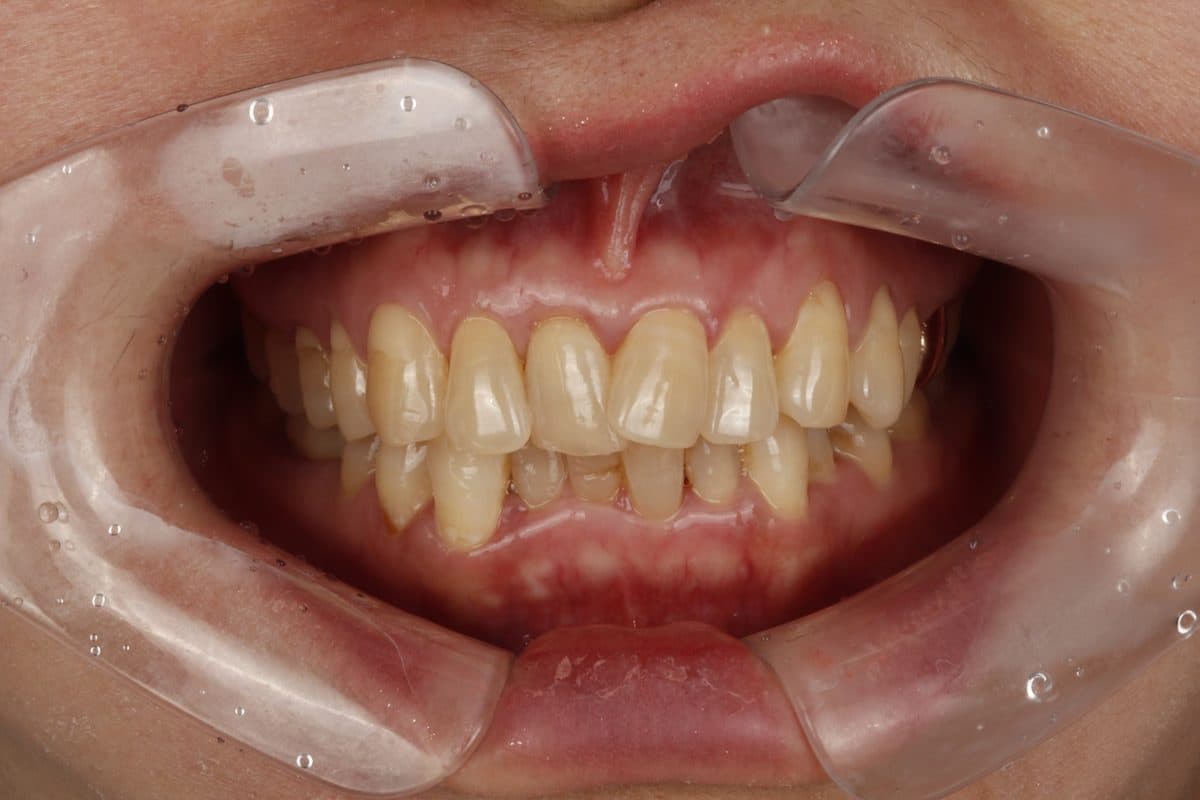
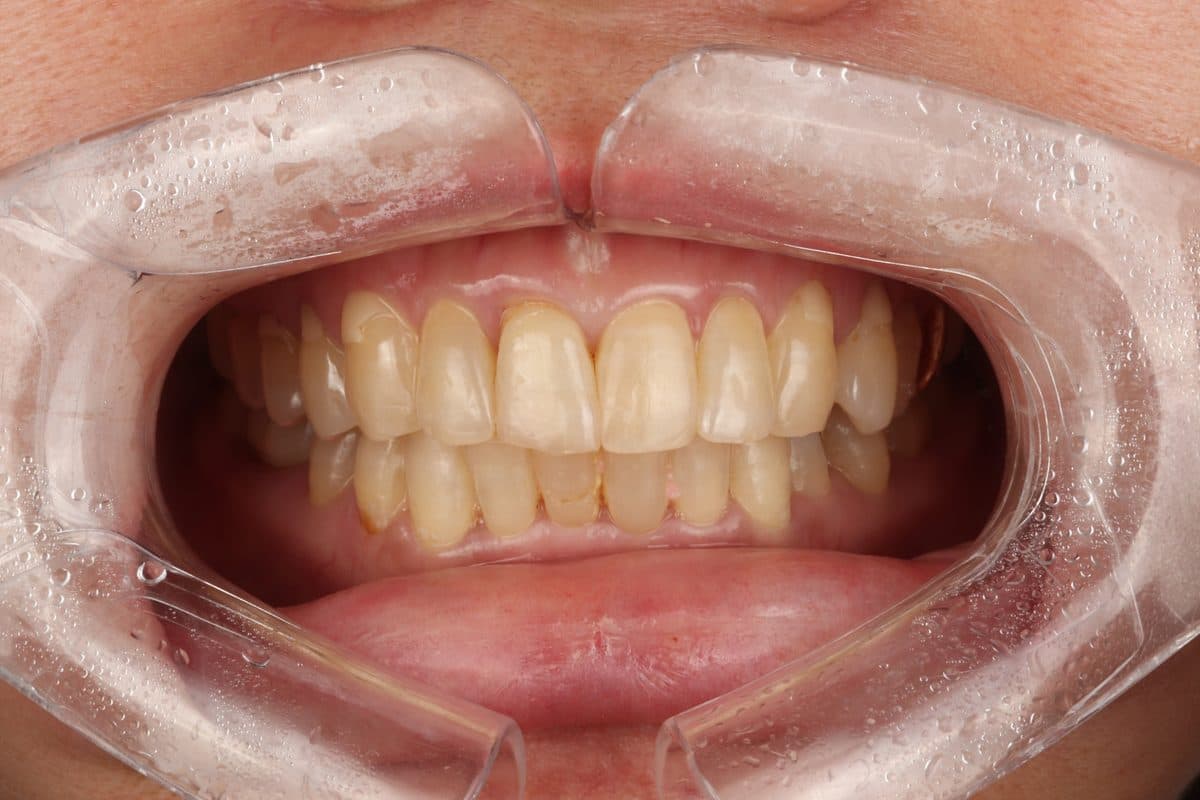
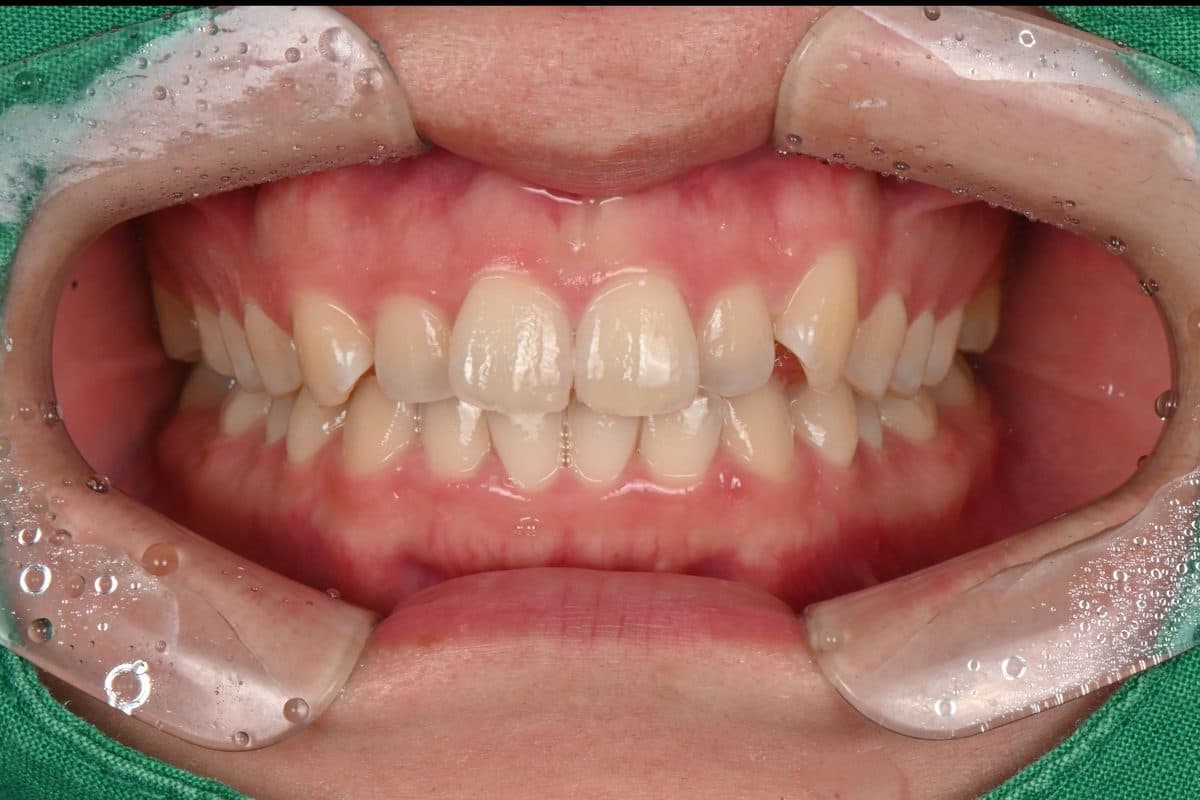
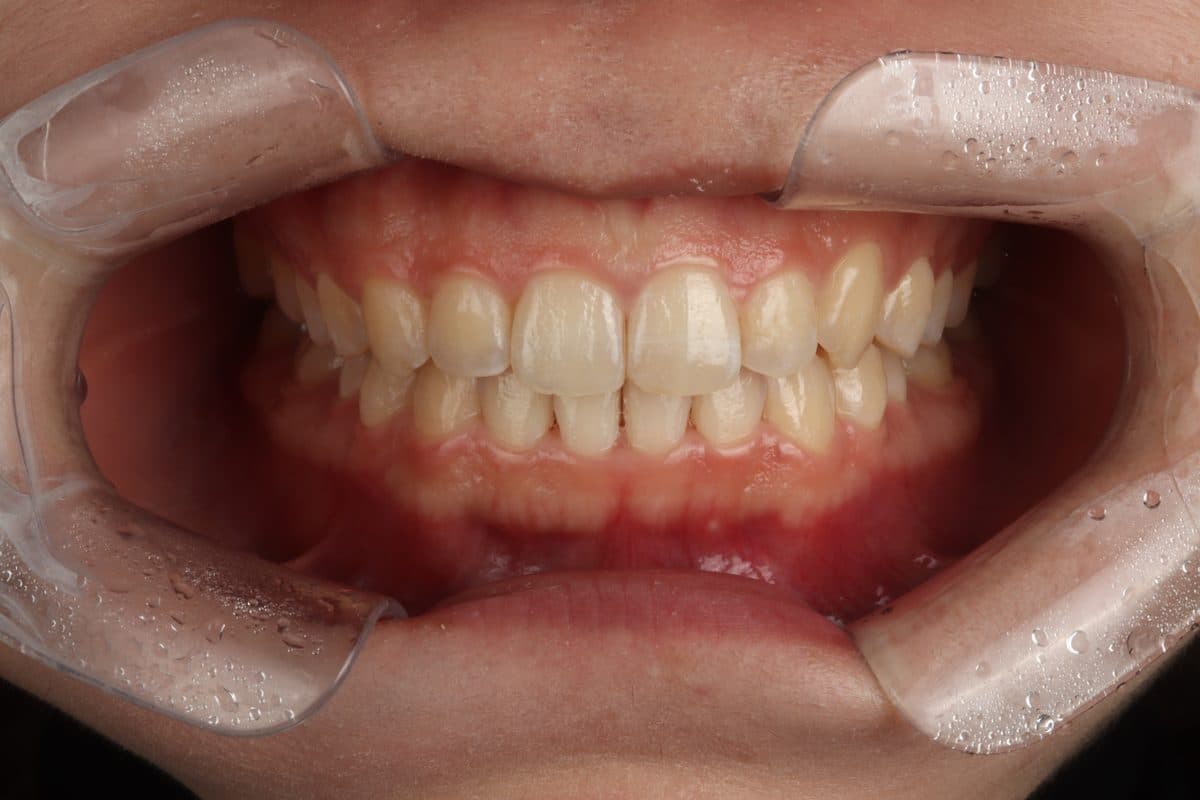
These are real Blanche Dental cases, published with the patients' consent. Treatment time and results vary with each person's teeth and how the appliance is worn. Pain or discomfort while adjusting to the appliance, gum inflammation or cavities with insufficient care, root resorption (shortening of tooth roots), and relapse after treatment may occur.
If small remaining gaps, small teeth or black triangles between the gums bother you after alignment, we can also discuss finishing with Blanche no-prep veneers.

From start to finish,
Dr. Juhee Baek sees you herself
At Blanche, Dr. Juhee Baek, an orthodontic specialist who has practiced only orthodontics for 22 years, personally handles the consultation, places the appliance and checks the final result. Orthodontic specialists make up only about 5% of dentists in Korea.
"With know-how built up over countless orthodontic cases, I will treat you with care and keep you comfortable."
- Graduated top of class, Kyung Hee University College of Dentistry
- Orthodontic residency, Kyung Hee University Dental Hospital
- Master's in Orthodontics, Kyung Hee University Graduate School of Dentistry
- Specialist and certified member, Korean Association of Orthodontists
- 10,000+ orthodontic cases over 22 years
- Presented an outstanding non-extraction case at Osaka Dental University, Japan

Integrated Dentistry specialist
Dr. Kyungri Park
Drawing on her experience as an orthodontics director, she treats orthodontic patients together with Dr. Juhee Baek. Cavity and gum care during treatment, and finishing work such as veneers afterward, are all carried out within one clinic.
- Graduate of Stanford University
- Graduate of Seoul National University School of Dentistry
- Master's, Seoul National University School of Dentistry
- Clinical training at UCLA and Columbia University dental hospitals (USA)
- Former orthodontics director and chief orthodontics director
Your questions about Invisalign
Can anyone get Invisalign?
How many hours a day do I need to wear them?
How often do I change aligners?
Will the result match the ClinCheck 3D simulation?
Do I have to have attachments?
What is a refinement?
Does it hurt?
Can I start without impressions?
Can I eat with the aligners in?
Will my speech change?
How long does treatment take?
How much does Invisalign cost?
Is Invisalign possible if I need extractions?
Can children get Invisalign?
Do I have to wear a retainer after treatment?
I had braces before, but my teeth shifted again. Can I redo it with Invisalign?
What about small gaps left after treatment?
Can I get a consultation if I live far away or abroad?
Reviewed by Dr. Juhee Baek (orthodontic specialist, 22 years; Master's in Orthodontics, Kyung Hee University Graduate School of Dentistry) · Last updated
Blanche Dental Clinic, Nonhyeon Station, Gangnam
A 30-second walk from Exit 4 of Nonhyeon Station, on Gangnam-daero.
Subway
Address
Phone
Hours
Whether Invisalign suits you
can wait until after the full exam
Send us two photos via WhatsApp, one of your face from the front and one smiling. An orthodontic specialist will look first and tell you honestly whether clear aligners can work for you.
Send us a front photo and a smiling photo — a dentist will review them and reply.
Chat on WhatsAppCall +82-1877-2882