
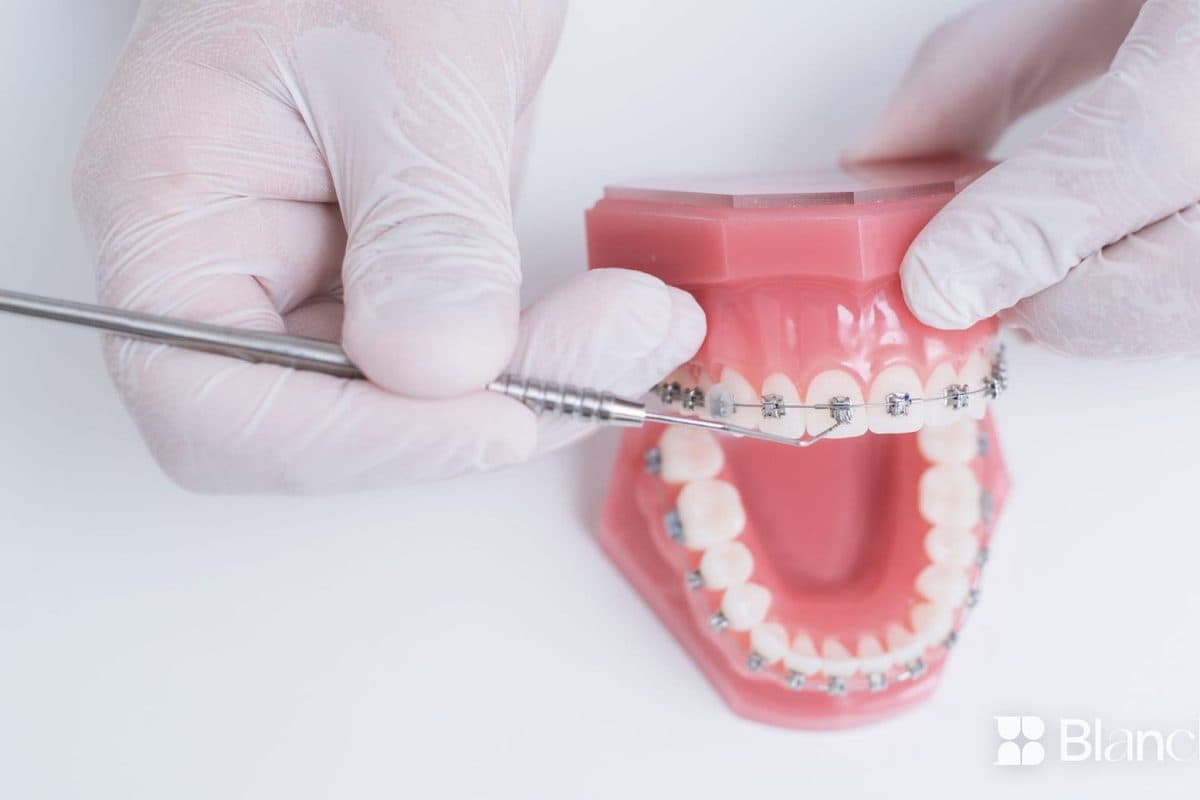
Clippy-C braces:
ceramic braces that hold the wire without elastic ties
A small door on each bracket holds the wire in place, a design known as self-ligation. The brackets are tooth-colored ceramic, so they are less noticeable than metal, and with no elastic ties the area around the brackets stays relatively simple.
- Treated personally by Dr. Juhee Baek, orthodontic specialist with 22 years of experience
- 2nd-generation Clippy-C
- Sliding-door self-ligation
- Tooth-colored ceramic brackets
You need braces,
but the appliance worries you
You may be thinking about braces for crowded or crooked teeth, yet the idea of silver brackets showing for years feels like a lot. Clippy-C combines tooth-colored ceramic brackets with self-ligation, and many people with this concern ask about it. That said, we choose the appliance based on your teeth and bite, not on the concern alone.
It is also called self-ligating ceramic braces.
- Several teeth need to move together, such as crowded front teeth or a snaggletooth
- You worry silver metal braces will stand out too much at work
- You are not confident you can wear clear aligners most of the day
- You have heard the elastic ties on ceramic braces get stained
- You worry about food getting stuck and brushing around the brackets
- You want to hear directly from a specialist which appliance suits you
How do Clippy-C braces
hold the wire?
With conventional brackets, the wire is placed in a slot and then tied in with a small elastic (a ligature) or a thin wire. Clippy-C closes a sliding door on the bracket to hold the wire instead. This self-locking design is called self-ligation.
- Illustrative image
The wire sits in the bracket slots and moves the teeth · Illustrative image 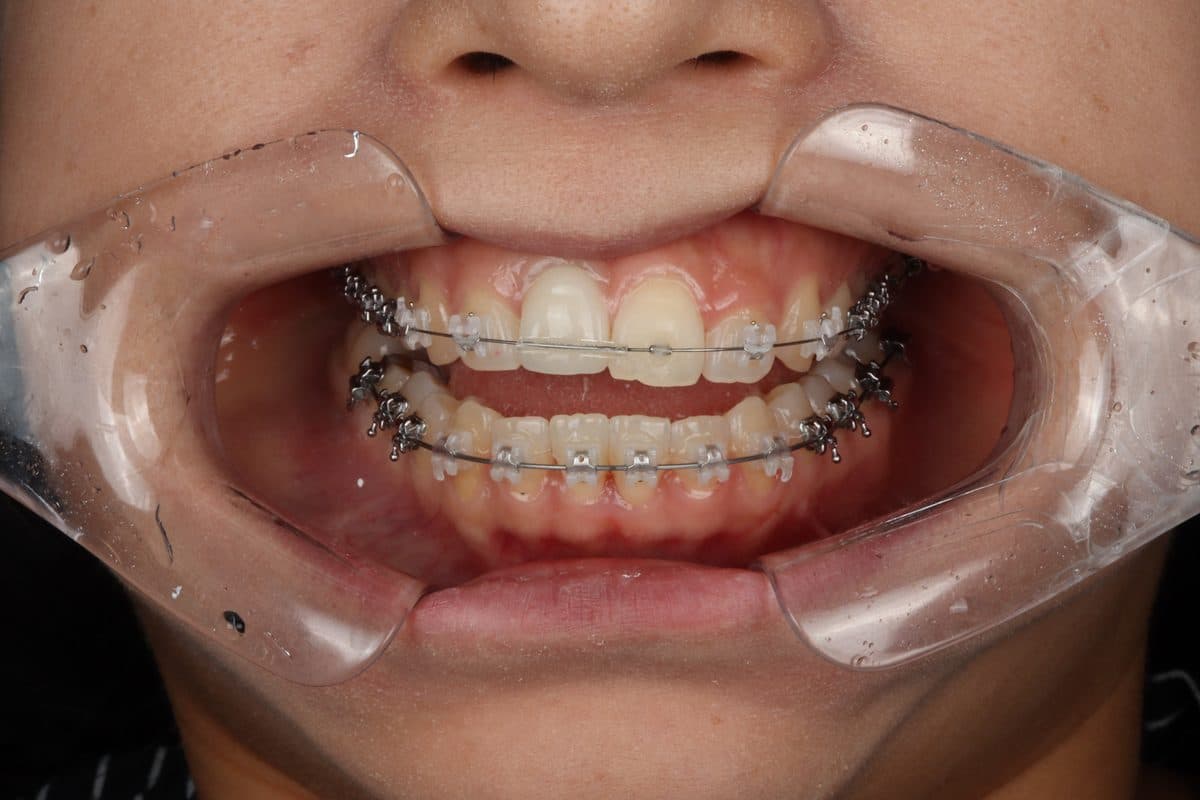
Clippy-C brackets in place
Conventional brackets
The wire in the slot is tied in with an elastic or a thin wire.
Open the door, insert the wire
The small door on the bracket (the sliding door) is opened and the wire is placed in the slot.
Close the door to hold it
Once the door is closed, the wire is held inside the slot and treatment proceeds without elastic ties.
During treatment, the wire slides little by little within the bracket slots and the teeth follow it. Tying the wire tightly presses it into the slot and makes sliding harder; self-ligation handles this differently by enclosing the wire with a door instead of tying it. And because there are no elastics to put on and take off each bracket, changing the wire at adjustments is relatively simple.
Self-ligation is designed to reduce friction between the wire and the bracket. However, how fast teeth move and how much discomfort you feel are not determined by the appliance alone; they depend on your teeth and bite, the treatment plan and your individual response.
What does research say about self-ligating brackets?
We have summarized the conclusions of systematic reviews and meta-analyses comparing self-ligating brackets with conventional brackets tied with elastics. The sources are listed under "Studies referenced" below. That is why Blanche does not recommend Clippy-C as "faster, less painful braces". We explain it so that you can choose it for what it is: less visible because it is tooth-colored, simpler to care for because there are no elastic ties, and fixed in place so you do not have to keep track of wear time.
- Total treatment time and number of visits — many studies found no clear difference from conventional brackets. (Summary of research findings)
- Initial pain — no meaningful difference was reported in pain from a few hours to one week after placement. (Summary of research findings)
- Chair time — some studies found shorter appointments, such as for wire changes, because there are no elastics to put on and remove. (Summary of research findings)
- Gums and hygiene — conclusions vary. Some reviews found no difference, while one meta-analysis found possible advantages in plaque and gum bleeding indices. (Summary of research findings)
Benefits of Clippy-C braces
and what to know in advance
If you start after hearing only the good points, you may be caught off guard midway. Weigh both before you decide.
What you can expect from Clippy-C braces
- Tooth-colored ceramic is less noticeable than metal brackets
- No elastic ties, so no worries about stained elastics
- The area around the brackets is relatively simple, with fewer places to clean
- The appliance is fixed to your teeth, so you do not need to keep track of wear time
- Can be used for comprehensive treatment that moves many teeth together
Burdens and limitations to accept
- It is not invisible like clear aligners; up close, the brackets and wire can be seen
- Your teeth may feel sore or painful for a few days after placement and after wire changes
- There is an adjustment period while the inside of your lips and cheeks get used to rubbing
- Insufficient brushing can lead to gum inflammation and cavities
- Ceramic is slightly bulkier than metal and can chip on hard foods
During orthodontic treatment, some root resorption (slight shortening of the tooth roots) can generally occur, and teeth may shift again if retainers are neglected after treatment. Treatment time and results vary from person to person.
Clippy-C compared with
metal, ceramic and clear aligners
Below are the generally known characteristics of each appliance. Which one suits you is decided after examining your teeth and bite.
Self-ligation does not mean it is better in every case. The appliance is a tool; what matters first is which teeth need to move, in which direction and by how much. If you are curious about clear aligners, see Invisalign Clear Aligners as well.
When Clippy-C braces are a good fit
At the consultation, we look at the points below together before recommending an appliance.
When we consider Clippy-C
- Comprehensive treatment is needed for crowded teeth or a snaggletooth
- You prefer a fixed appliance but find metal braces too noticeable
- You find it hard to put in and take out aligners or to keep up the wear time
- Comprehensive treatment that requires extractions
When another approach may be better
- Only a few front teeth need straightening → Partial Orthodontics
- The appliance needs to be nearly invisible → 2D Lingual Braces, Invisalign
- Children who are still growing → Orthodontics for Kids
When a treatment other than braces may be better
- Your teeth are straight but small gaps or small teeth bother you → No-prep veneers
- Your main concern is showing too much gum → Gummy Smile Treatment
If you are considering braces in your 30s or 40s, we have summarized the age-related points to check on our Adult Orthodontics page. At the consultation, we do not recommend Clippy-C alone; we lay out every appliance that could work for your teeth and compare how visible each is, how to care for it and its trade-offs. The care team reviews your case together rather than relying on one person's judgment.
The Clippy-C treatment process
Dr. Juhee Baek personally handles the consultation, bracket placement and final check. Our dentists spend more than an hour on each orthodontic consultation.
- 01
Consultation & full exam
We record the condition of your teeth and jaws with X-rays, an intraoral scan and photos.
- 02
Diagnosis & plan
We explain what needs to move and by how much, whether extractions are needed, and how the appliances differ.
- 03
Bracket placement
The dentist bonds the Clippy-C brackets, checking the position on each tooth.
- 04
Regular adjustments
Usually about once a month, you visit to have the wire changed and progress checked.
- 05
Removal & final check
The dentist personally checks your bite and alignment before removing the appliance.
- 06
Retainers
Retainers are used to keep the teeth in their new positions.
Comprehensive treatment usually takes about 1 to 2.5 years, depending on your teeth and bite, how far teeth need to move and whether extractions are needed; we give you an estimate after the full exam. Because you need to come in for each adjustment, travel distance matters too. Blanche is a 30-second walk from Exit 4 of Nonhyeon Station, and we are open until 9 p.m. on Tuesdays and Wednesdays.
Brushing and eating
with Clippy-C braces
Even without elastic ties, food gets caught around the brackets and wire. Good care protects your results.
- 01
Brush above and below the brackets
Angle the brush to clean above the brackets and then below them. An orthodontic toothbrush helps.
- 02
Interdental brush & water flosser
Clean under the wire and between teeth with an interdental brush or a water flosser.
- 03
Be careful with hard and sticky foods
Ice, nuts, hard bread crusts, caramel and gummies can make brackets come off or chip.
- 04
Cut food small, chew with molars
Cutting apples or meat into small pieces and chewing with your back teeth reduces the load on the front brackets.
- 05
Soft foods for the first few days
Right after placement and after wire changes, soft foods such as porridge, tofu and steamed eggs are more comfortable.
- 06
Orthodontic wax for sore spots
If the brackets rub the inside of your lips or cheeks, cover them with orthodontic wax. Most people adjust within a few weeks.
If a bracket comes off or the wire pokes your cheek, please contact us rather than waiting until your next appointment. We also check your gums at each adjustment and let you know when a scaling is due if needed.
After the braces come off,
and the cost of Clippy-C braces
Retainers are the final stage of treatment
Teeth tend to drift back toward their original positions even after they have been moved. So after the braces come off, we use a fixed retainer bonded behind the front teeth or a removable clear retainer. Which retainer to use and for how long depends on your condition before treatment, and at regular check-ups we confirm that your teeth are staying in place.
Cost of Clippy-C braces
The appliance fee depends on how much needs to move, whether extractions are needed and the expected treatment time, so we give you an itemized estimate after the full exam. You can see all fees in our full price list.
If you have received quotes from several clinics, compare whether the scope is the same before comparing the amount. Prices differ depending on whether the full exam, regular adjustments, appliance removal and retainers are each included, and whether the plan involves extractions. We will go over every explanation at least four times. You do not have to decide on the spot. You can make your decision at home.
Real Blanche orthodontic cases
These are cases in which several teeth were moved together. Drag the photo left and right to compare.
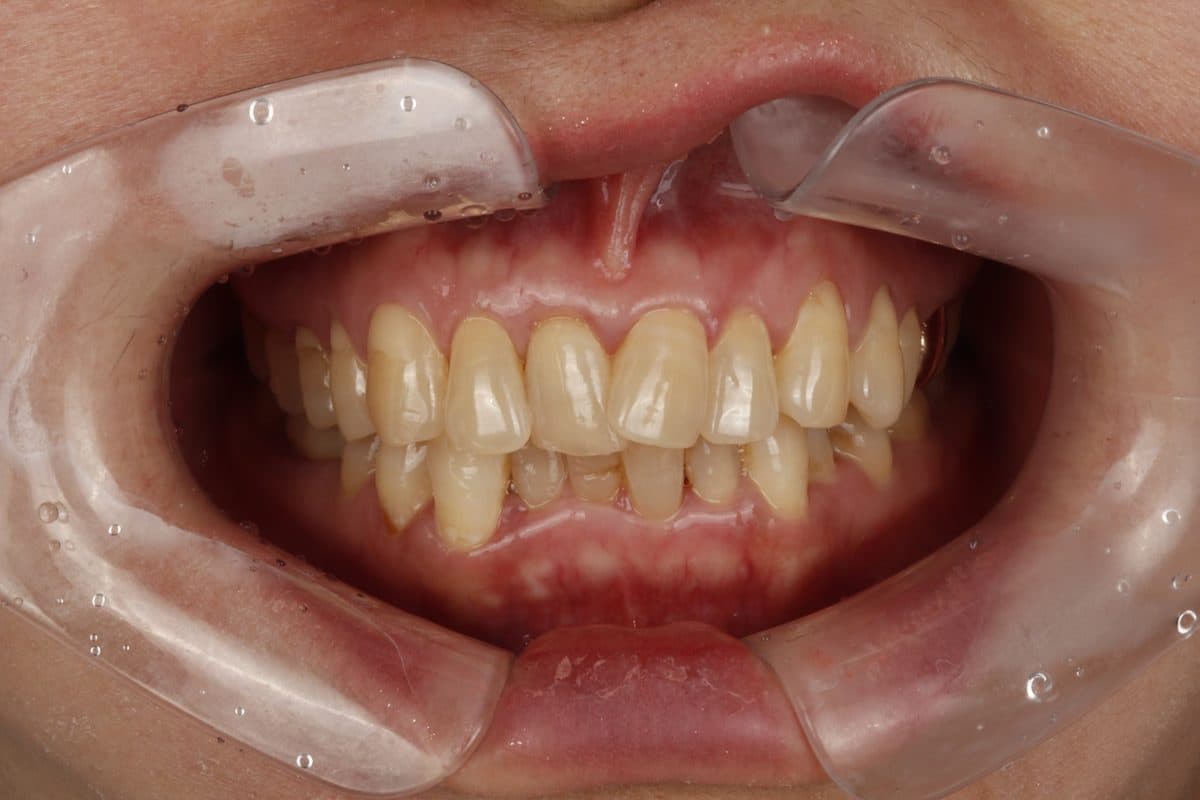
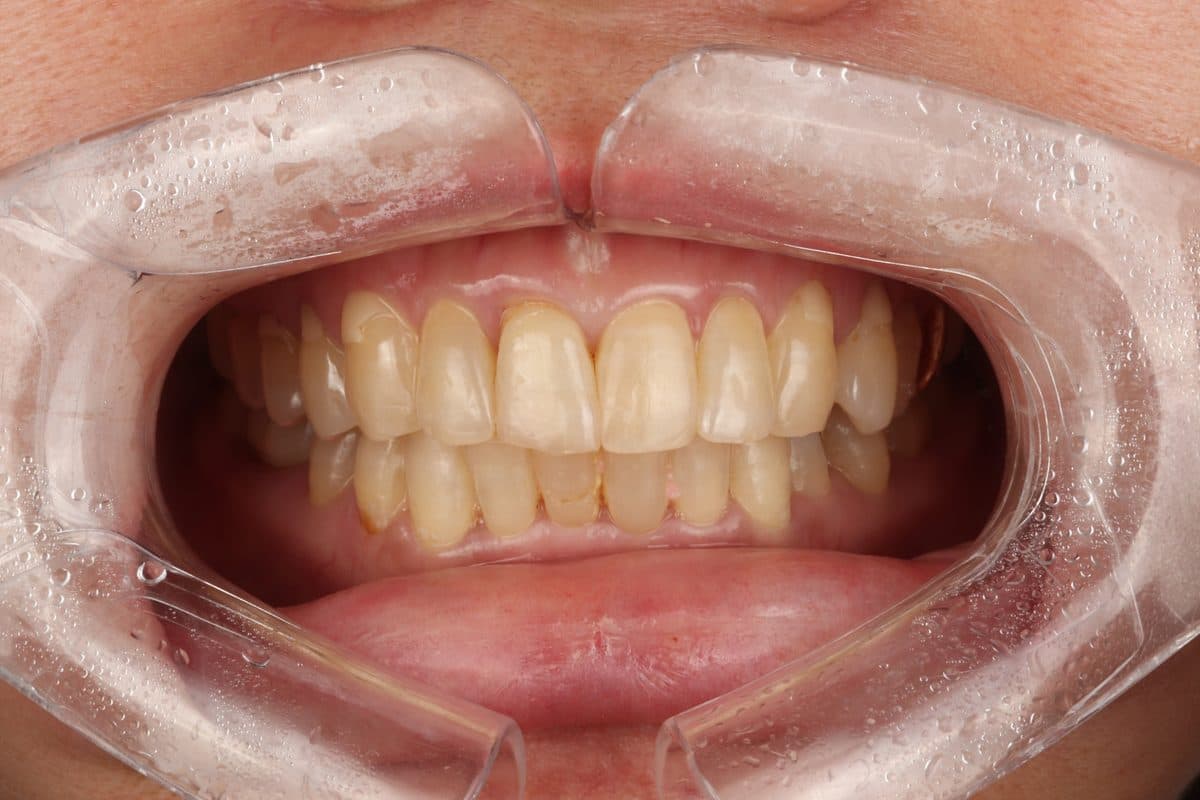
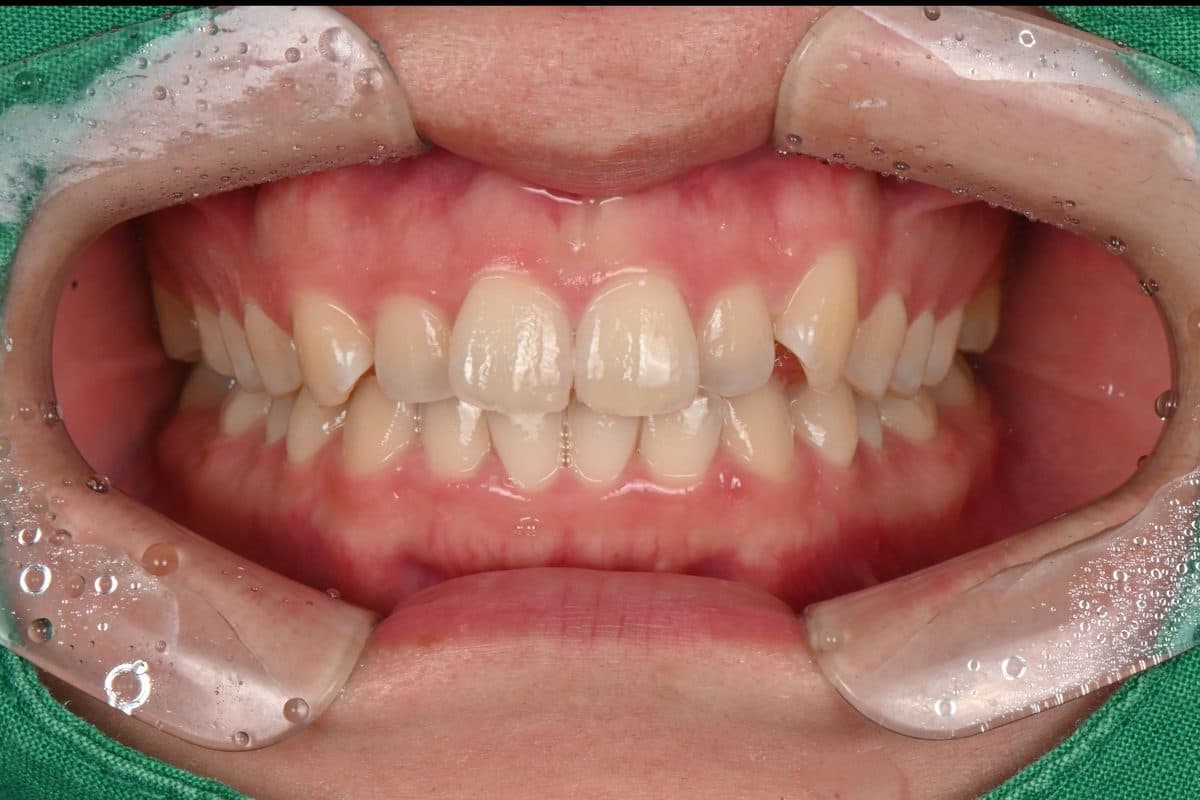
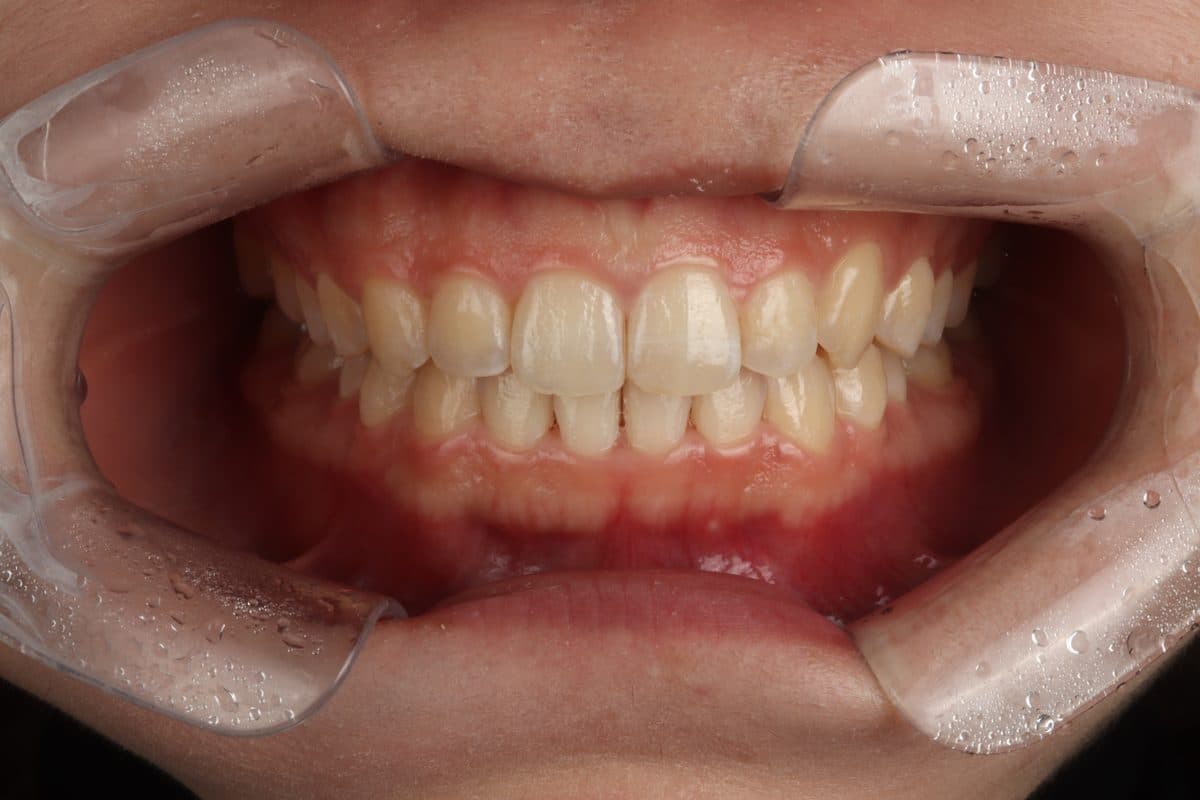
These are real Blanche Dental orthodontic cases published with the patients' consent; the appliance used may differ from case to case. Pain or discomfort during treatment, gum inflammation or cavities with insufficient care, root resorption and relapse after treatment can occur, and treatment time and results vary from person to person.

From start to finish,
Dr. Juhee Baek oversees your braces
At Blanche, orthodontic treatment is led by Dr. Juhee Baek, an orthodontic specialist who has practiced only orthodontics for 22 years. She personally handles the consultation, places the appliance and checks the final result. Orthodontic specialists make up only about 5% of dentists in Korea.
"With the know-how built up over countless orthodontic cases, I will treat you carefully and comfortably."
- Valedictorian, Kyung Hee University College of Dentistry
- Orthodontics residency, Kyung Hee University Dental Hospital
- Master's in Orthodontics, Kyung Hee University Graduate School of Dentistry
- Board-certified specialist, Korean Association of Orthodontists
- More than 10,000 orthodontic cases over 22 years
- Presented an outstanding non-extraction case at Osaka Dental University, Japan

Integrated Dentistry specialist
Dr. Kyungri Park
Drawing on her experience as an orthodontic clinic director, she treats orthodontic patients together with Dr. Juhee Baek. Cavity and gum care during braces, and finishing touches such as veneers after treatment, are all provided within the same clinic.
- Graduate of Stanford University
- Graduate of Seoul National University School of Dentistry
- Master's degree, Seoul National University School of Dentistry
- Clinical training at UCLA and Columbia University dental schools, USA
- Former orthodontic clinic director and chief director
Questions about Clippy-C braces
What are Clippy-C braces?
How are self-ligating ceramic braces different from regular ceramic braces?
Are Clippy-C braces painless?
Does Clippy-C shorten treatment time?
Can people see the braces from a distance?
Do ceramic brackets stain?
Which is better, clear aligners or Clippy-C?
Can Clippy-C be used when extractions are needed?
How often do I need to visit?
Are there foods I should avoid during treatment?
How should I brush?
What if a bracket comes off?
Will my teeth shift again after treatment?
I heard braces can shorten tooth roots. Is that true?
How much do Clippy-C braces cost?
What about small gaps left after braces?
Can I get braces if I live abroad or outside Seoul?
Reviewed by Dr. Juhee Baek (orthodontic specialist, 22 years of experience; Master's in Orthodontics, Kyung Hee University Graduate School of Dentistry) · Last updated
Blanche Dental Clinic, Nonhyeon Station, Gangnam
A 30-second walk from Exit 4 of Nonhyeon Station, on Gangnam-daero.
Subway
Address
Phone
Hours
Is Clippy-C right for you?
An orthodontic specialist will take a look first
Send us two photos, one of your face from the front and one smiling, via WhatsApp. Before choosing an appliance, we explain what needs to move in your teeth right now.
Send us a front photo and a smiling photo — a dentist will review them and reply.
Chat on WhatsAppCall +82-1877-2882