
You look in the mirror and see a subtly discolored laminate and wonder, “Should I remove it?” You’re worried about damaging your teeth, and you’re confused by all the information you’ve heard about the cost and pain. In this article, we’ll break down what you need to know before removing your laminate and give you specific criteria for making a choice you won’t regret.
Read this before removing the laminate!
Removing laminate, when to do it?
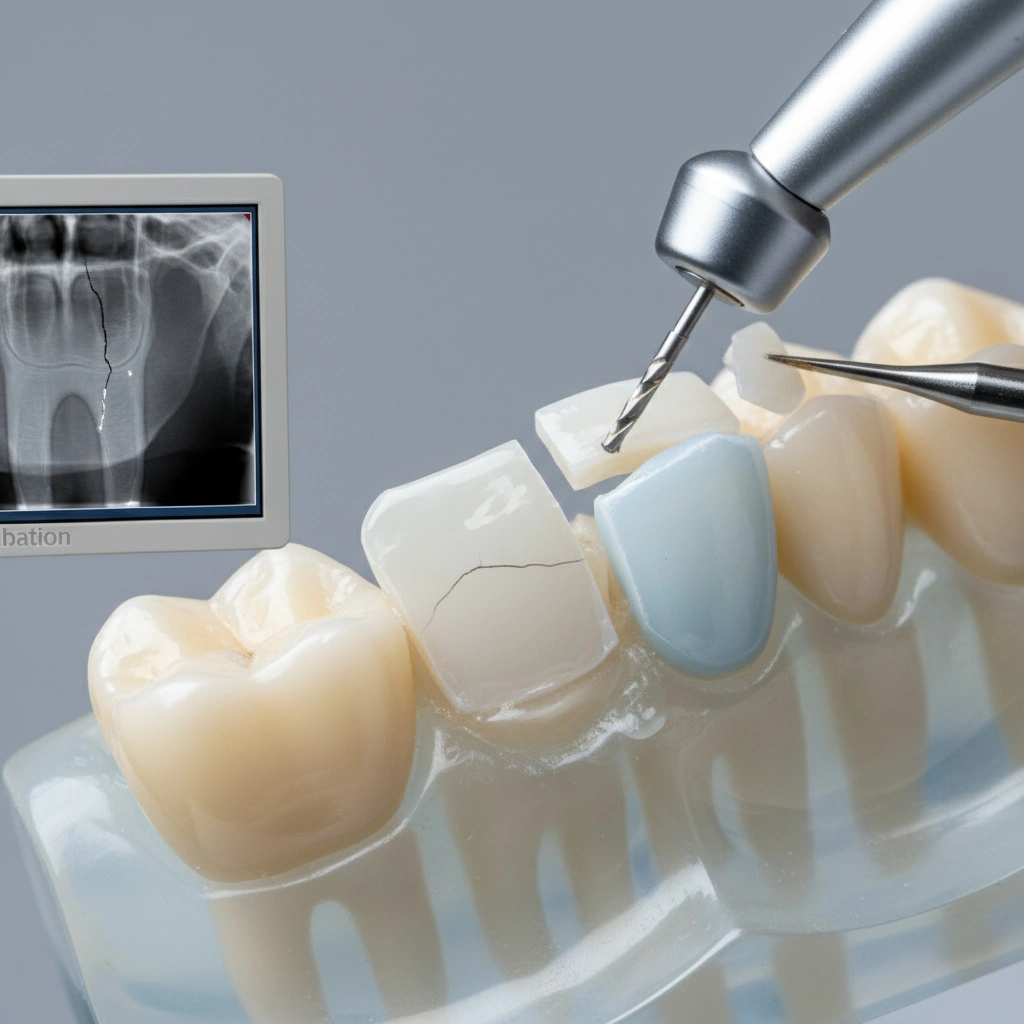
When laminates need to be removed, it’s often because of real problems rather than just because they’re “ugly.” Signs like surface discoloration, cracks in the ceramic, chipping, tooth pain, or gum inflammation should be a red flag. Rather than thinking, “I’ll just take it off,” it’s important to have a thorough oral examination before removal to get an accurate picture of your current dental health.
Because the ceramic is strongly bonded to the tooth, removing the laminate can cause some damage to the enamel, especially depending on how much the tooth was shaved when the laminate was first placed, the condition of the bond, and if there is any decay or nerve damage inside the tooth. If the tooth has been shaved down a lot, it’s hard to get it back to the way it was, and it often needs to be replaced with a crown when it’s redone, which is why an oral examination before removing the laminate is so important.
Typical cases where laminate removal is required
- When the laminate surface is discolored and does not retain its natural color
- Cracks or chips in your prosthesis
- The laminate has lifted or fallen because the adhesive has weakened.
- You have a cavity at the interface between your prosthesis and your teeth.
- Inflammation or swelling at the gum line that is uncomfortable to look at
- If your teeth are misaligned and you’re experiencing pain or soreness
If any of these apply to you, it could be more than just a cosmetic issue, it could be an oral health issue.
Before deciding to remove the laminate, it’s safe to have your dentist perform a detailed examination with a 3D scan or loupe to assess how much damage has been done to your natural teeth and whether they can be restored.
How does the laminate removal process work?

Removing a laminate is more than just chipping away at the ceramic; it’s a procedure that requires precise technique to minimize damage to the tooth. When your dentist removes your laminate, he or she will use a magnifying glass or digital monitor for a better view and carefully remove the ceramic with a fine bur (cutting tool). Dentists who specialize in laminate removal utilize safe guiding equipment to keep the depth of the cut consistent and prevent too much from being removed. This process is a key step in preserving as much of your natural tooth enamel as possible.
Technical steps of laminate removal
| Removal steps | Description. |
|---|---|
| Gain visibility | Wearing magnifying glasses and applying safe guides to get a clear view of the entire tooth surface |
| Ceramic Cutting | Using a high-speed handpiece and diamond burr to cut thin ceramic layers |
| Remove glue | Cleanly removed excess resin glue with a fine grinder and polishing tool |
| Sensitivity check | Check sensitive areas during and at the end of the procedure to avoid unnecessary irritation |
| Temporary restoration | Protect exposed areas of the tooth with resin or temporary crowns |
Most people don’t experience much pain when removing the laminate, and local anesthesia is often used to reduce discomfort. If you have sensitive teeth, you may experience some soreness for a day or two after the procedure, but this usually settles down within a few days.
The key is the precision of a skilled practitioner’s hands. A dentist who specializes in laminate removal will cut through the ceramic thickness and adhesive layer separately, minimizing unnecessary damage to the enamel.
Depending on the condition of the tooth, a temporary prosthesis may be placed first, followed by a restoration (a new laminate or crown). This step-by-step process requires a precise balance of procedures and techniques to ensure that both the natural tooth is protected and the aesthetics are preserved.
How much does it cost to remove laminate?
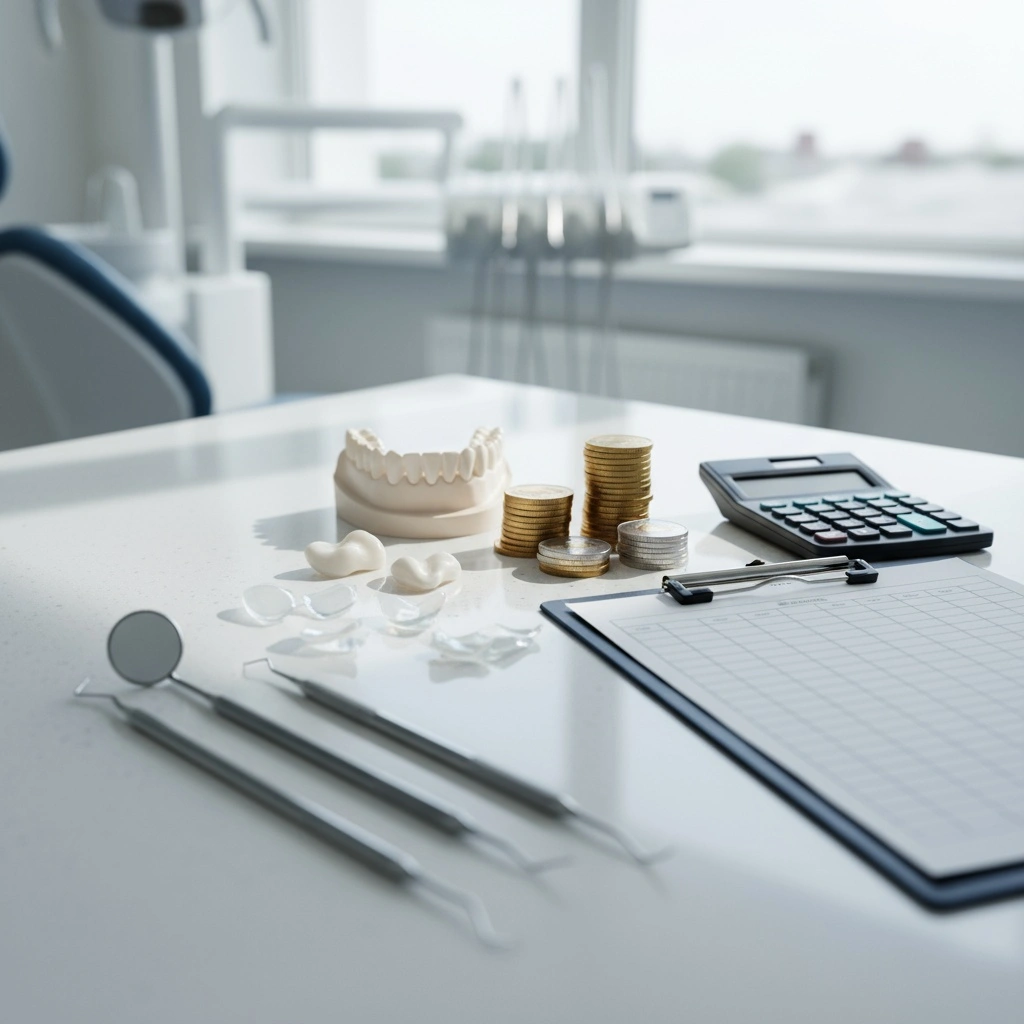
The cost of removing laminates varies from dentist to dentist, but on average, they cost between $100 and $300 per veneer. Add to that anesthesia, temporary prosthetics, gum reshaping, and redoing the procedure, and the final price can be much higher if you include alternative treatments afterward than if you simply have them removed. The price of laminates is basically determined by the material, the skill of the practitioner, and the equipment they use. Particularly in large cities or specialized clinics, the average unit price tends to be a bit higher due to the higher level of equipment. On the other hand, general dentists and local hospitals are relatively inexpensive, but the difference can come down to the detail of the removal.
Below is a table that summarizes the pricing for key items and the range of additional costs.
| 항목 | Amount range (in cents) |
|---|---|
| 1 laminate removal | 100,000 to 300,000 |
| Cost of temporary prosthetics | 80,000 to 150,000 |
| Gum shaping | 100,000 to 200,000 |
| Resurfacing (crowns/laminates) | 400,000 to 1,000,000 |
If you just want to remove the laminate, it’s less expensive, but in many cases, you’ll need to replace it with a new laminate or crown after removal. In that case, you should expect to pay at least 400,000 won per tooth and up to 1 million won or more. In addition, you may need gum surgery due to gum inflammation or imbalanced lines, which will cost another 100,000 to 200,000 won. In the end, you shouldn’t just think about the cost of removing the laminate, but consider the entire treatment budget from removal to recovery to make a realistic plan.
If you’re curious about the full budget, not just the ‘removal cost’ but also any subsequent retreatments, the price of teeth blanching and why 30,000 people chose itand why 30,000 people chose it.
What are the side effects after laminate removal?

The most common side effect after laminate removal is increased tooth sensitivity. The reason you may feel a tingling sensation from cold water or hot food immediately after the procedure is that the removal process exposes some of the enamel underneath the old laminate. This damage is usually subtle, but if you had a lot of teeth removed in the first place, the pulp (nerve) may be close enough to require root canal therapy. You may also experience a foreign body sensation whenever you eat, and your gums may bleed when you brush, especially if the ceramic adhesive is not completely removed.
Sensitivity after laminate removal varies from person to person, but usually resolves within 3-5 days. If sensitivity persists, the tooth surface should be protected with a temporary restoration, or a combination of desensitization treatments such as fluoride varnish. Living without a temporary restoration while the enamel is thinned after removal can speed up the progression of tooth decay, as well as temperature irritation, which is why it’s important to immediately cover the tooth with a temporary resin or temporary crown to protect it.
A common side effect after laminate removal:
- Increased tooth sensitivity (pain when cold or hot)
- Gum inflammation or bleeding
- Pain from grinding down too many teeth
- Foreign objects caused by glue residue
- Shape abnormalities due to failed resin restorations
Most of these issues can be prevented by the skill of the operator and post-procedure care.
After removing the laminate, you should avoid spicy or acidic foods and brush your teeth with a soft-bristled toothbrush. You should also return in a week to check the condition of your teeth and gums to see if they have recovered, so you can reduce any uncomfortable symptoms early on.
After laminate removal, what treatment options are available?
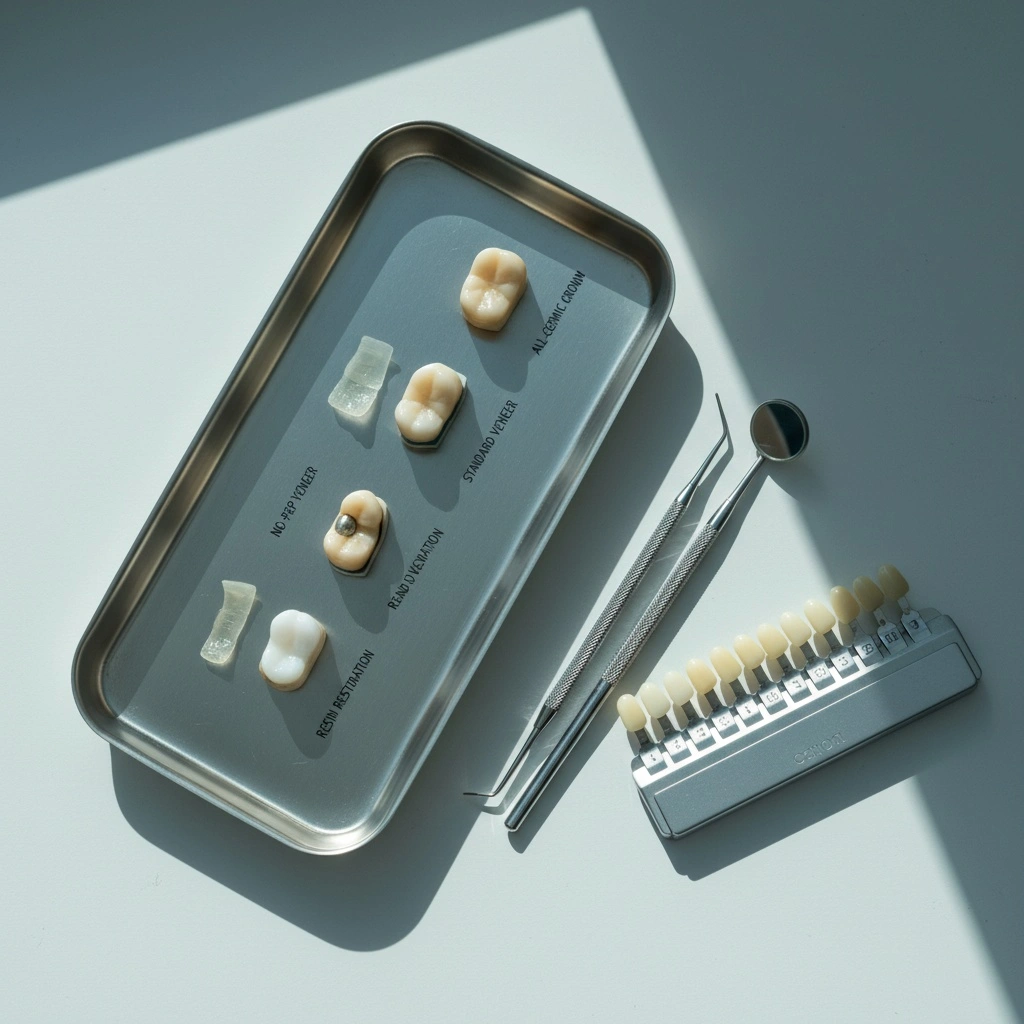
Whether or not you need to have your laminate removed and redone depends on the condition of your teeth, the amount of shaving you’ve done, and the health of your gums. Once the old laminate is completely removed, if the tooth is not severely damaged, it can be re-laminated or bonded with an ablative laminate to restore its aesthetics. Removable laminates are literally just a thin layer of ceramic bonded to your teeth without any additional shaving, which is great for preserving your natural teeth. However, it is difficult to apply if you have protruding or irregularly aligned teeth.
Many people choose to switch to crowns after laminate removal. Crowns are restorations that cover the entire tooth and are stronger and more durable than traditional laminates, so they’re less likely to chip or fall out. However, crowns require a lot of tooth shaving and can be expensive, so they should be considered carefully if you value tooth preservation. Alternatively, if you’re looking for a cheaper, faster recovery, you can opt for a simpler alternative like resin reinforcement. Resin is less expensive right away, but it’s not as durable in the long run because it discolors and wears off quickly.
The table below compares typical laminate replacement procedure options.
| Treatment options | Pros | Cons |
|---|---|---|
| Laminate without deletion | Preserve natural teeth, less pain | Applicable patient restrictions |
| Re-laminate | Aesthetic improvements, similar to existing experience | Possible long-term durability issues |
| Resin Reinforcement | Low cost, simple to treat | Easy to discolor and short-lived |
| Crown | Stronger, more functional | Requires a lot of teeth, expensive |
This means that once the laminate is removed, it’s not just a matter of putting it back on, but weighing the pros and cons of each treatment against the condition of your teeth is key to making a choice you won’t regret.
Removing front tooth laminates, why be more cautious?
Removing front tooth laminates is more than just removing ceramic, it’s a precise procedure that can directly change the overall impression of your face. Because your front teeth are the most visible when you talk or smile, even the slightest color difference or misalignment can make a huge visual difference. So when removing front tooth laminates, you’ll want to be on the lookout for possible gaps, color imbalances due to enamel damage, and exposed gum lines.
Especially if the old laminate has been worn for a long time, it is possible that the tooth has been shaved off a little bit along with the adhesive. If you make new laminates that are lighter in color than the original teeth, you may end up with a mismatched color, which is why it’s always a good idea to make a 3D scan of your teeth and simulate the color and shape beforehand during the provisional prosthetic phase. Also, after removing the front tooth laminates, you’ll need to readjust your bite to avoid problems with gaps in your front teeth.
Key items to consider when removing laminates in the front tooth area
- Possible color imbalance
- Tooth Spacing Gap
- Exposing the gum line
- High visibility in conversations
- Aesthetic discomfort during the temporary prosthetic period
In the end, removing anterior tooth laminates is more than just “taking them off,” it’s about a strategy to match the color and maintain aesthetic balance with a temporary restoration after removal.
Laminate removal reviews, what was the real experience like?
Regret and discomfort are common keywords in recent laminate removal reviews. Many patients report that their teeth became sore or sensitive during the removal process, and others were surprised by the longer-than-expected recovery period. Comments such as “it cost more than I thought to have it re-bonded” and “my teeth feel weaker than they used to” are also common on review boards. This is often attributed to a lack of explanation during the initial consultation, such as how much of the tooth was shaved, the condition of the adhesive, and how the procedure would be performed. In the end, if you rush into a procedure without a full consultation and an accurate diagnosis, you could end up with long-term damage and expense just to look good.
On the other hand, some reviews show positive changes. Some people have had their laminates removed and switched to crowns or porcelain veneers, which have been reshaped to match the color and shape of their teeth, giving them a more natural-looking result than before. Others have experienced little to no soreness, especially if the professional dentist used a magnifying glass to minimize enamel damage. More recently, review blogs have cited “how much of the natural tooth is preserved” as a key criterion for satisfaction, rather than just making it look pretty.
Representative review types
- Pain – complaints of sensitivity
- More expensive redo than expected
- Satisfaction after restoring aesthetics
Recovery after laminate removal, how to manage it?
The recovery period after laminate removal is usually 3 to 5 days. Tooth sensitivity is highest in the first few days and usually stabilizes within a week. During this time, we recommend avoiding irritating foods and foods with large temperature differences. Dietary restrictions after laminate removal include ice, hot coffee, spicy foods, and hard foods such as nuts. These irritants can cause microscopic cracks in the exposed enamel, and if you have a temporary restoration, there is also a risk of weak adhesion.
Oral hygiene is also important for good care after laminate removal. You should brush your teeth with a soft toothbrush and lukewarm water, and flossing should be done sparingly. If you have a temporary restoration, you should avoid vigorous scrubbing of the area, and only lightly remove food particles. If your teeth are still sore, a fluoride solution or desensitizing toothpaste can help with recovery. Your dentist will usually recommend a recheck in one to two weeks, at which time they’ll check how your gums are healing and whether your prosthesis is working.
What to pay special attention to in your daily routine after laminate removal
- Avoid hot and cold foods
- Prevent damage to temporary prostheses
- Use a soft-bristled toothbrush
- Recommended return visits in 1-2 weeks
Laminate Removal, Consult with Blanche Dental First
Removing laminates is not simply a process of removing a prosthesis, but a precise procedure that requires a sensitive approach to the condition of the existing adhesive and tooth enamel. If you’re considering re-bonding or switching to a different treatment, it’s safe to check the condition of your current laminate and the thickness and sensitivity of your natural teeth first.
Removal methods can vary, especially depending on the bond strength and material (ceramic-resin, etc.), so it’s important to take it step by step rather than trying to force it, and to proceed safely with a magnifying instrument. Subsequent replacement with a laminate or other aesthetic restoration should also be planned based on the remaining tooth thickness to ensure satisfaction.
Rather than just looking at the cost, it’s better to look at the risks of removal, such as microdamage or increased sensitivity, beforehand. If you’re wondering which direction to take with your current condition, we invite you to come in for a consultation at Blanche Dental to discuss your removal and retreatment options.
Frequently asked questions
Do I need to remove the laminate?
Laminate removal is often necessary for functional rather than cosmetic reasons. You should consider removal if you notice surface discoloration, cracks in the ceramic, poor adhesion, gum inflammation, or pain. Before removal, it’s always safe to have an oral examination to check for tooth recession, adhesive residue, and cavities.
How does the laminate removal process work?
Laminate removal is performed with precision under a magnifying glass or digital monitor. The ceramic is cut with a high-speed handpiece and diamond burr, the remaining adhesive is removed with a polisher, followed by a sensitivity check and a temporary prosthesis. The greater the precision of a skilled practitioner, the less damage to the enamel.
How much does it cost to remove laminate?
This varies by dentist, but usually ranges from $100,000 to $300,000 per tooth. Additional costs are added depending on whether you need a temporary prosthesis, gum reshaping, or re-procedures (crowns and re-laminations). It’s best to approach this as a budget for the entire treatment, as it can be upwards of 400,000 to 1 million won per tooth if you include reconstruction rather than just removal.
Are there any side effects after laminate removal?
The most common side effect is increased tooth sensitivity. Some exposure of the enamel may cause a soreness, which usually resolves in 3-5 days. Occasionally, gum inflammation and pain may occur due to glue residue or oversharpening. After the procedure, it is important to protect your teeth with fluoride varnish or a temporary restoration.
What treatment options are available after laminate removal?
Depending on the condition of your teeth, you can choose from re-laminates, onlays, crowns, and resin reinforcements. If preserving your natural tooth is important to you, veneers are the way to go, while crowns work well if you need strength and durability. It’s best to weigh the pros and cons of each treatment before making a decision based on your dental situation.
Consultation — Blanche Dental is located between Nonhyeon and Sinnonhyeon stations in Gangnam, Seoul. For a consultation in English, message us on WhatsApp with your photos, and see our pricing page for current fees.